Seed oils have become the latest nutrition battleground.
One video says sunflower oil is quietly damaging your metabolism. Another says rapeseed oil is a sensible everyday choice. A third tells you to throw out every bottle in your kitchen immediately.
The volume is high. The answer is quieter.
If you want to understand whether your diet is affecting inflammation or metabolic health, your blood results can give you useful context. They cannot, however, prove that one ingredient is the villain.
TL;DR:
- Seed oils include sunflower, rapeseed, soya, corn and safflower oils.
- Omega-6 fats are essential. Your body needs to get them from food.
- Current human research does not show strong, consistent proof that omega-6 fats from seed oils cause systemic inflammation.
- The wider diet matters: ultra-processed foods, fibre, alcohol, activity and total calorie intake all count.
- CRP or hs-CRP can provide information about inflammation.
- LDL, HDL, triglycerides, non-HDL cholesterol and HbA1c add broader metabolic context.
- A blood test helps you ask better questions. It does not deliver a verdict on a single food.
Do seed oils cause inflammation? Current human evidence does not show strong, consistent proof that ordinary dietary intakes of seed oils cause systemic inflammation. The wider eating pattern and your personal health context matter more than one ingredient alone.
What are seed oils, exactly?
“Seed oils” is a broad label for oils made from the seeds of plants.
Common examples include:
- Sunflower oil
- Rapeseed oil
- Soya oil
- Corn oil
- Safflower oil
In the UK, “vegetable oil” on a bottle often means rapeseed oil or a blend of plant oils. Not every vegetable oil comes from a seed. Olive oil, for example, is made from the fruit of the olive tree.
These oils contain different types of fat. Many are rich in polyunsaturated fats, including omega-6 linoleic acid.
Omega-6 fats are not foreign chemicals. They are essential fats, which means your body cannot make enough of them by itself. You need to get them from food.
The viral concern is usually this: omega-6 fats can be used to make compounds involved in inflammation, so eating more of them must mean more inflammation.
That sounds tidy. Human biology rarely is.

What does the research actually show?
The main concern is not completely made up. Omega-6 fats are involved in the body’s signalling systems, including pathways linked with inflammation.
The leap comes when a possible mechanism is treated as proof of harm.
The British Heart Foundation’s review of seed oils notes that there is no strong or consistent proof that omega-6 fats directly cause inflammation in humans. It also explains that seed oils can be a healthier choice than fats high in saturated fat, such as butter, ghee and coconut oil.
A Cochrane review of omega-6 fats found that increasing omega-6 intake reduced total cholesterol in long-term trials, although the evidence for major cardiovascular outcomes was less certain. That is a useful reminder: research can show one clear effect while remaining uncertain about another.
A newer systematic review of clinical studies found that studies of seed oils in people with diabetes or dyslipidaemia reported mixed results, but did not support a simple claim that seed oils worsen inflammation, blood fats or blood sugar.
So, what is the sensible conclusion?
Seed oils are not magic health foods. They are not proven metabolic poison either.
The strongest practical point is what they replace. Swapping some saturated fat for an unsaturated oil may affect your lipid profile differently from adding oil on top of an already high-calorie diet.
Oil is still energy-dense. A generous pour is still a generous pour, even if the bottle looks wholesome.
Is the real issue ultra-processed food?
Seed oils often appear in foods people already associate with poor health: packaged pastries, fried snacks, fast food, ready meals and biscuits.
That creates a problem of mixed signals.
The oil may be blamed for the entire food. But the food may also contain refined carbohydrates, salt, sugar, little fibre and a large amount of energy. It may be easy to eat quickly and difficult to feel satisfied afterwards.
Think of it like blaming one passenger for a crowded train. The passenger is present, but they are not the whole reason the carriage feels packed.
The BHF explains that the wider ultra-processed food picture matters more than the presence of seed oil alone. That does not mean every food containing sunflower or rapeseed oil is a problem. It means you should look at the full pattern.
Ask yourself:
- Are most of your meals built around minimally processed foods?
- Are you eating enough vegetables, pulses, whole grains, nuts or seeds?
- Are you getting sources of omega-3 fats, such as oily fish?
- Are you regularly eating highly processed foods because they are convenient?
- Are alcohol, sleep, stress and activity also part of the picture?
Removing one ingredient while leaving the rest of the pattern unchanged may not produce the result you expect.
What can your blood actually show?
A blood test cannot identify “seed oil damage”. It can show markers that provide wider context.
CRP and hs-CRP: inflammation markers
CRP, or C-reactive protein, is a protein made by the liver when inflammation is present somewhere in the body.
A standard CRP test can rise with many short-term events, including infection, injury or a hard training session. It does not tell you exactly where the inflammation is coming from.
hs-CRP, or high-sensitivity CRP, is designed to detect smaller changes in CRP. It may be used when looking at low-level inflammation in a cardiovascular context.
Neither test can tell you that sunflower oil, rapeseed oil or any other single food caused a result.
Recent illness, dental problems, poor recovery and intense exercise can all affect interpretation. This is why timing and personal context matter.
Inflammation is more like a smoke alarm than a security camera. It can tell you that something needs attention, but not which room started the problem.
The lipid panel: a wider view of blood fats
A lipid panel may include:
- LDL cholesterol: one of the main cholesterol markers linked with build-up in artery walls over time.
- HDL cholesterol: a type of cholesterol involved in carrying cholesterol back towards the liver.
- Triglycerides: fats carried in the blood and influenced by factors such as recent food, alcohol, body composition and blood sugar regulation.
- Non-HDL cholesterol: total cholesterol minus HDL. It captures several cholesterol particles in one figure.
If you have changed the fats you use in cooking, your lipid panel can show how your overall pattern is reflected in your blood.
That does not prove one oil caused the change. Genetics, weight, activity, medication, alcohol, fibre intake and the rest of your diet can all contribute.
For a deeper explanation of these markers, read the Health Hub guide to Cholesterol Blood Test UK: Understanding Your Numbers.
HbA1c: longer-term blood sugar context
HbA1c gives a picture of your average blood sugar over time. It is different from a single glucose reading, which can change after a meal, exercise or a poor night’s sleep.
The NHS explains how blood tests are used to assess type 2 diabetes in its guide to symptoms and diagnosis.
HbA1c does not measure inflammation, and it does not identify a specific food as the cause of a result. It can, however, help you understand the bigger metabolic picture alongside triglycerides and cholesterol.
Together, these markers are more useful than a social media food ranking. They are like checking the whole car rather than arguing about one tyre.

How should you use testing after changing your diet?
Start with one clear question.
For example:
- “Has my wider eating pattern changed alongside my lipid panel?”
- “What does my HbA1c show about longer-term blood sugar?”
- “Could recent illness or training have affected my CRP?”
- “What should I discuss with my GP?”
Avoid changing ten things at once. If you remove seed oils, start new supplements, increase training and cut alcohol in the same week, you will not know what influenced a later result.
Keep a simple record of major changes. Note the date, your training load, recent illness and any significant diet changes. Then discuss your results with your GP or another qualified clinician if anything concerns you.
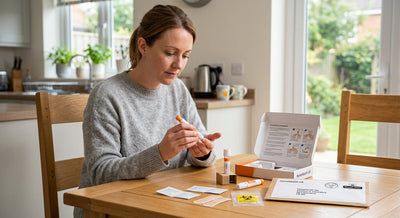
If you choose an at-home test, follow the official how to do a home blood test guide. Warm hands, good hydration and careful sample collection can make finger-prick testing easier, although some people still find collection fiddly.
Vitall Check’s Complete Health & Performance Blood Test includes CRP, cholesterol markers and HbA1c alongside other health markers. Samples are processed by UKAS-accredited partner laboratories working to NHS-grade standards. The Insight Report is designed as a manual that translates raw laboratory data into plain-English information, helping you prepare for a better GP conversation.
The calmer answer to the seed oil debate
You do not need to choose a side in the viral nutrition war.
Seed oils contain omega-6 fats, but current human evidence does not support the simple claim that they cause systemic inflammation. The food they appear in, what they replace, how much you eat and your wider lifestyle all matter.
If you want useful answers, measure the bigger picture:
- CRP or hs-CRP for inflammation context
- LDL, HDL, triglycerides and non-HDL cholesterol for blood fats
- HbA1c for longer-term blood sugar context
Use those results as information, not a verdict. Your blood can help you arrive informed for your next GP appointment. It cannot tell you that one bottle of cooking oil is responsible for everything.
Summary
Seed oils are not a single substance, and nutrition is not a courtroom drama with one guilty ingredient.
Use a balanced diet. Pay attention to the wider pattern. Avoid repeatedly reusing oil at very high temperatures. If you make meaningful dietary changes, consider tracking relevant markers over time rather than relying on a viral claim.
Frequently asked questions
Q: Do seed oils raise CRP? A: Current human evidence does not show strong, consistent proof that ordinary dietary intakes of seed oils raise CRP. Infection, injury, hard training and other factors can affect the result.
Q: Can a blood test show if seed oils are harming me? A: No. CRP or hs-CRP, a lipid panel and HbA1c can provide wider inflammation and metabolic context, but they cannot identify one food as the cause.
Q: Should I avoid sunflower and rapeseed oil? A: There is no clear evidence that you need to avoid them solely because they contain omega-6 fats. Consider how much you use, what the oil replaces and the overall quality of your diet.
Author
Vitall Check Editorial Team
The Vitall Check Editorial Team is dedicated to empowering individuals with evidence-based health information and clear, actionable insights. Every article is researched using peer-reviewed journals and official health resources, reflecting our commitment to the same high standards of accuracy as our laboratory testing services. Our goal is to make proactive wellness accessible, data-driven, and transparent.
Disclaimer: Vitall Check is not CQC registered. The content provided is for general information only, does not provide a diagnosis, and does not replace advice from a qualified healthcare professional. Our services do not include treatment, prescription, or medical advice that falls under CQC-regulated activities. Always consult with your GP or a qualified clinician before making significant changes to your healthcare regimen.