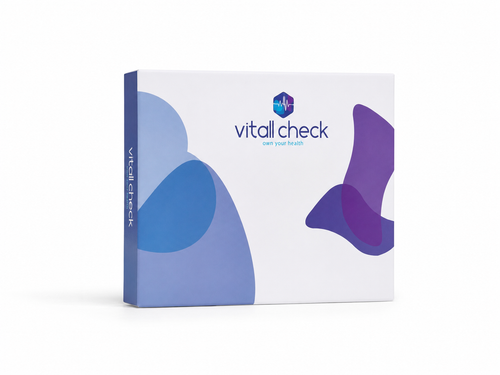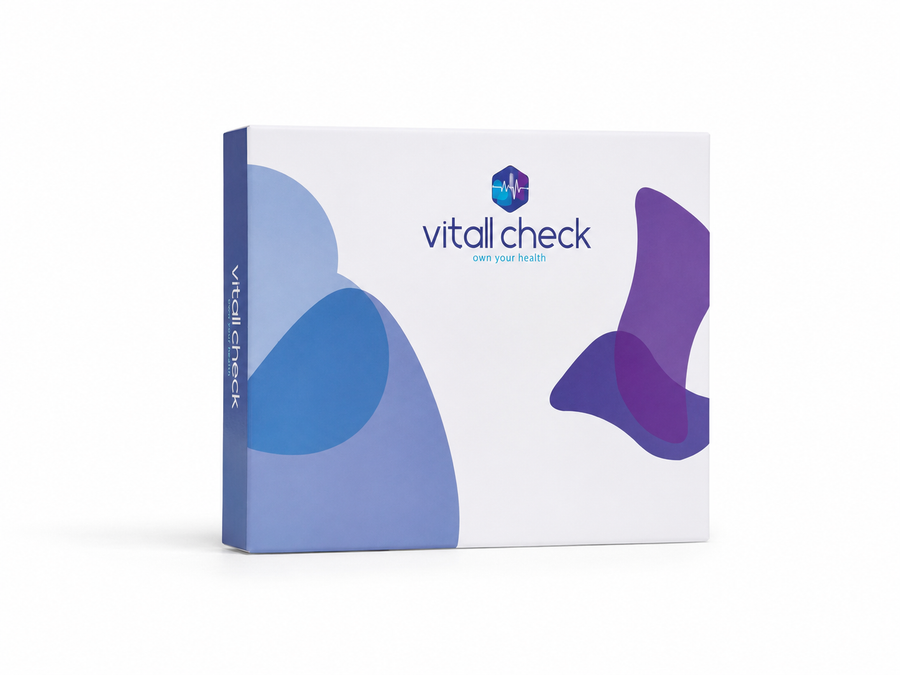


Complete Health & Performance Blood Test
Our ultimate 50-marker health panel. Deeply monitor your cardio engine, liver, kidneys, metabolism, and hormones to optimise your health span. Get fast digital insights alongside plain-English AI summaries.
50 biomarkers across 8 health systems
Tap any group to see exactly what we measure and why it matters.
-
ALT (Alanine Aminotransferase)
A liver enzyme that leaks into the blood when liver cells are stressed. Mildly raised ALT is common after heavy training, recent alcohol, certain medications, or fatty changes in the liver. Persistently high ALT is worth discussing with a GP.
-
Albumin
The most abundant protein made by your liver. It transports hormones and nutrients around the body and helps regulate fluid balance. Low albumin can reflect liver, kidney, gut or nutritional factors.
-
ALP (Alkaline Phosphatase)
An enzyme involved in both liver and bone activity. Levels naturally vary with age (higher in growing teens, post-fracture healing) and during pregnancy, as well as with liver function.
-
GGT (Gamma-Glutamyl Transferase)
A liver enzyme particularly sensitive to alcohol intake and certain medications. Useful for understanding the source when other liver markers are raised.
-
Globulin (calculated)
Proteins that play a major role in immunity, clotting and transport. Calculated by subtracting albumin from total protein. Patterns here can signal immune or inflammatory activity.
-
Total Bilirubin
A yellow pigment made when old red blood cells are broken down. Slightly raised bilirubin is often a harmless inherited pattern (Gilbert's syndrome); larger elevations can reflect liver or red blood cell processes.
-
Total Protein
The combined amount of albumin and globulin in your blood. It's a broad picture of protein status, used together with albumin and globulin to spot imbalances.
-
CRP (C-Reactive Protein)
A marker your liver releases when there's inflammation anywhere in the body. High CRP can reflect short-term inflammation (a recent illness, intense training, an injury) or longer-term, low-grade inflammation linked to lifestyle, sleep and stress.
-
Total Cholesterol : HDL Ratio
A widely used cardiovascular risk indicator. Lower is generally better. The ratio shifts with diet, training, weight changes and consistent aerobic exercise.
-
Total Cholesterol
The total amount of cholesterol circulating in your blood, including both protective (HDL) and less-protective (LDL) types. On its own it tells you very little, which is why we always read it alongside HDL, LDL and the ratio below.
-
Low Density Lipoprotein LDL (less-protective cholesterol)
The cholesterol most associated with build-up in artery walls when it sits high for years. Diet (especially saturated fat), genetics, body composition and activity level all influence LDL (Low Density Lipoprotein).
-
High Density Lipoprotein HDL (good cholesterol)
The cholesterol that picks up excess from your arteries and returns it to your liver. Higher HDL is generally protective. It's influenced by exercise, alcohol intake, and the types of fat in your diet.
-
Triglycerides
A form of fat your body uses for energy. Levels are heavily influenced by recent meals (which is why we ask you to fast), alcohol, carbohydrate intake and overall body composition.
-
Non HDL Cholesterol Calculation
Total cholesterol minus HDL. Captures every cholesterol type that can contribute to artery build-up in one figure, which is why many clinicians now prefer it as a single risk indicator.
-
Creatinine
A waste product your muscles produce that's filtered out by your kidneys. Levels can shift with muscle mass, hydration status and protein intake, so very muscular people often sit slightly higher than the population average.
-
Urea
Another waste product cleared by the kidneys, this one from protein breakdown. It's affected by hydration, protein intake and kidney function.
-
Uric Acid
A by-product of how your body processes purines (found in red meat, shellfish and alcohol). Persistently high levels can crystallise in joints, linked with gout and metabolic patterns.
-
eGFR (estimated Glomerular Filtration Rate)
An estimate of how efficiently your kidneys filter blood, calculated from your creatinine. Higher is generally better. It's the single most-used indicator of overall kidney functio n.
-
Ferritin
Your body's stored iron, the long-term iron savings account. Low ferritin is the earliest sign of iron deficiency, often appearing before iron itself drops or anaemia develops. Common in women with heavy periods, athletes, and people on plant-based diets.
-
Iron (Serum)
The mineral your body uses to make red blood cells and carry oxygen around your body. Low iron can leave you tired, breathless, or struggling to recover from training.
-
Transferrin
The protein that carries iron through your bloodstream. Together with iron and ferritin, it gives a complete picture of how iron is being stored, transported and used.
-
Folic Acid (Folate)
Works alongside B12 to build red blood cells and support DNA repair. Particularly important for women of reproductive age. Influenced by diet, certain medications, and alcohol intake.
-
Vitamin B12
Essential for energy production, nerve function, and red blood cell formation. Found almost exclusively in animal products, so vegans and vegetarians need to supplement. Low B12 can present as fatigue, brain fog or tingling.
-
Magnesium
A mineral involved in more than 300 enzymatic reactions, including muscle function, energy production and the regulation of blood pressure. Inadequate intake is common in modern diets.
-
HbA1c (%)
Your average blood sugar level over the past 8-12 weeks, expressed as a percentage. Often called your "glucose memory" because, unlike a single glucose reading, it can't be gamed by a recent meal or fast.
-
HbA1c (mmol/mol)
The same measurement in mmol/mol, the unit the NHS and UK clinicians use. We show both so you can compare to NHS or older test results easily.
-
Cortisol
Your main stress and energy hormone, produced by your adrenal glands. It follows a strong daily rhythm: highest in the morning (which is why we ask for a morning sample) and lowest at night. Affected by sleep, training, work stress and caffeine.
-
CK (Creatine Kinase)
An enzyme released when muscle is damaged. Levels routinely spike for 24-72 hours after heavy training, hard cardio, or any unusually intense session. We ask you to avoid heavy training before testing for this reason.
-
DHEA
A precursor hormone made by your adrenal glands, the building block your body uses to produce both testosterone and oestrogen. Levels are highest in your 20s and naturally drift down with age.
-
FSH (Follicle-Stimulating Hormone)
A pituitary hormone that signals the ovaries or testes. In women it varies through the menstrual cycle and rises sharply around menopause; in men it sits in a steady range.
-
LH (Luteinising Hormone)
Works alongside FSH to regulate reproductive hormones. In women, LH triggers ovulation; in men, it signals the testes to produce testosterone.
-
Oestradiol (E2)
The main and most active oestrogen. In women it varies dramatically through the cycle, in pregnancy, and around menopause. In men it sits much lower but still has roles in bone, brain and cardiovascular health.
-
Prolactin
A pituitary hormone best known for its role in lactation, but it also influences reproductive function, libido and metabolism in everyone. Levels can rise temporarily with stress, exercise and sleep.
-
Testosterone (Total)
The principal male sex hormone, also important in women at lower levels. Influences muscle mass, libido, mood, energy and bone density. Levels naturally peak in the morning, which is why we ask for a morning sample.
-
Free Testosterone (calculated)
The calculated amount of biologically active testosterone, derived from total testosterone, SHBG and albumin. Often more informative than total testosterone for symptoms.
-
Free Testosterone (%)
The proportion of testosterone that isn't bound to carrier proteins, making it biologically active. A more nuanced view than total testosterone alone.
-
Testosterone : Cortisol Ratio
A balance indicator favoured in sports science: testosterone supports building and recovery, cortisol drives stress and breakdown. A drop in this ratio can signal overtraining or under-recovery.
-
SHBG (Sex Hormone Binding Globulin)
The protein that binds sex hormones in the blood. High SHBG can reduce the amount of biologically active testosterone, even when total testosterone looks normal.
-
FAI (Free Androgen Index)
A calculated ratio of testosterone to SHBG, giving a quick picture of androgen activity. Particularly useful in women's hormone assessment.
-
WBC (White Blood Cells) Leukocytes
Your immune system's army. Numbers rise temporarily during infections, after intense exercise or in response to stress. Persistently raised or low counts are worth a closer look.
-
RDW (Red Cell Distribution Width)
How much your red blood cells vary in size. A higher RDW can be an early signal of mixed nutritional deficiencies, even before MCV moves out of range.
-
RBC (Red Blood Cells) Erythrocytes
The cells that carry oxygen from your lungs around your body. Endurance athletes often sit slightly higher than average; pregnancy and certain conditions can lower them.
-
MCV (Mean Cell Volume)
The average size of your red blood cells. Small cells can suggest iron deficiency; large cells can point to B12 or folate deficiency.
-
MCHC (Mean Cell Haemoglobin Concentration)
How densely packed haemoglobin is within your red blood cells. Provides extra detail when interpreting unusual full blood count patterns.
-
MCH (Mean Cell Haemoglobin)
The average amount of haemoglobin inside each red blood cell. Read alongside MCV, it helps narrow down the type of any anaemia present.
-
HCT (Haematocrit)
The proportion of your blood that's made up of red blood cells, expressed as a percentage. A key indicator of hydration status as well as red cell health.
-
HGB (Haemoglobin)
The iron-containing protein inside red blood cells that actually binds and carries oxygen. Low haemoglobin (anaemia) commonly causes fatigue, breathlessness and pale skin.
-
Free T3 (Triiodothyronine)
The active thyroid hormone, the one actually doing the work in your cells. T3 influences metabolic rate, energy, body temperature, mood and heart rate.
-
Free T4 (Thyroxine)
The storage form of thyroid hormone, mostly converted into T3 when needed. Most of your circulating thyroid hormone is in this T4 form.
-
TSH (Thyroid Stimulating Hormone)
The pituitary signal that tells your thyroid how hard to work. Counter-intuitively, high TSH usually means your thyroid is under-active (the brain is shouting at it), and low TSH often means it's over-active.
From order to answers in four steps
Order online
Choose at-home or clinic. Free delivery on orders over £100.
Collect your sample
Simple finger-prick or a quick visit to one of our UK partner clinics.
Lab analyses it
Posted back free to our UKAS-accredited partner laboratories.
Plain-English results
Within 48 hours in your secure portal, with your lifestyle action plan.
Includes Summary & action planQuick prep for an accurate result
Numbers on the left. Answers on the right.
Every marker shows its result and reference range, colour-coded by status. Each group gets a plain-English explanation and lifestyle context.

What people say
Frequently asked
Capillary (finger-prick) samples are highly reliable when collected correctly. Our partner laboratories are UKAS-accredited and process samples to the same clinical standards used by the NHS and private clinics. For panels needing a larger sample, a clinic draw is recommended at the cart stage.
Morning, before 10am, after an 8-hour fast (water is fine). Avoid heavy exercise for 24 hours and pause biotin supplements for 2 days. Post the sample back the same day, Monday to Thursday.
Vitall Check provides AI-powered plain-English summaries and a personalised lifestyle action plan, not clinical diagnoses. If results sit outside the reference range, we provide a ready-to-use guide for your next GP appointment.
Many medications and conditions can influence biomarker results. We recommend discussing your medical history with your GP, who will interpret your results in the full clinical context.
When your kit arrives, visit vitallcheck.co.uk/activate and enter your order number.
Delivery: Tracked delivery on every kit — free on orders over £100. Return postage to the lab is always prepaid. Order before 1pm Monday to Friday for next-day delivery.
Posting your sample: Post Monday to Thursday so your sample reaches the lab before the weekend.
Sample failures: If the lab can't process your sample, your replacement kit is free. Additional replacements are charged at £40.