“Oestrogen dominance” is all over TikTok and Instagram. It is often blamed for heavy periods, bloating, mood swings, hair thinning and weight changes.
The problem? It is a catchy phrase, but not a clear medical diagnosis.
That does not mean your symptoms are imaginary. It means several different hormone patterns and health conditions can look similar. Let’s separate the useful biology from the social media shorthand.
TL;DR:
- “Oestrogen dominance” is not a recognised diagnosis with one agreed blood test.
- Oestrogen helps build the womb lining and supports ovulation.
- Progesterone rises after ovulation and helps stabilise the womb lining.
- FSH, oestradiol, progesterone and testosterone show different things at different points in your cycle.
- Test timing matters. A random sample can be difficult to interpret.
- Perimenopause and PCOS can involve irregular ovulation, changing oestrogen and lower progesterone exposure.
- At-home testing can provide useful context, but it cannot map your whole cycle or replace a GP assessment.
- Use results to arrive informed for a better conversation with your GP or qualified clinician.
What’s oestrogen dominance? “Oestrogen dominance” is a popular wellness term for symptoms or hormone patterns thought to involve more oestrogen effect compared with progesterone. It is not a formal diagnosis with one agreed blood test or result.
What do oestrogen and progesterone actually do?
Your menstrual cycle is controlled by a changing group of hormones. Think of it like an orchestra: each hormone has a part, and the timing matters as much as the volume.
Oestrogen rises during the first part of your cycle. It helps a follicle develop in the ovary and builds up the womb lining in preparation for a possible pregnancy.
Progesterone rises after ovulation. It helps prepare and steady the womb lining. If ovulation does not happen, progesterone may remain low because the structure that produces it after ovulation has not formed.
That is where the social media phrase partly comes from. You may have a normal or fluctuating oestrogen level, but less progesterone than expected because ovulation did not happen. This can create a relative shift in hormone activity.
It is more like a seesaw than a simple “too much oestrogen” problem.
The NHS explanation of the menstrual cycle describes how oestrogen, progesterone and other hormones change across the month.

Why the phrase is popular but imprecise
The symptoms linked to “oestrogen dominance” are real, but they are not specific.
Heavy periods may relate to irregular ovulation, fibroids, endometriosis, thyroid problems or bleeding disorders. Mood changes can occur with perimenopause, premenstrual changes, stress, poor sleep or depression. Hair thinning and weight changes can have several causes too.
This is why a symptom list cannot tell you which hormone or condition is involved.
There is also no single blood test that reports:
“Oestrogen dominance: positive.”
There is no widely agreed oestrogen-to-progesterone ratio that can diagnose the phrase. Instead, clinicians look at your symptoms, cycle pattern, medicines, age, medical history and relevant test results together.
NICE guidance is similarly careful. For people aged 45 or over with typical menopause symptoms and cycle changes, perimenopause is identified without laboratory tests. Hormone levels can change sharply from one day to the next, making one result a poor stand-alone answer.
What can hormone blood tests genuinely show?
FSH
Follicle-stimulating hormone, or FSH, is released by the pituitary gland in your brain. It helps stimulate the ovaries to develop follicles.
In people with regular cycles, FSH is often measured early in the cycle, usually around days 2–5. It may help provide information about ovarian function in certain situations.
In perimenopause, FSH can rise and fall unpredictably. A single result may look different a few weeks later. FSH is more useful when a clinician has a specific question, especially in younger people where early menopause or premature ovarian insufficiency needs investigating.
Oestradiol
Oestradiol, often called E2, is the main form of oestrogen before menopause.
It usually rises as a follicle develops, reaches a higher point around ovulation and changes again during the second half of the cycle. An early-cycle sample can provide a baseline. A result taken near ovulation may look very different.
Oestradiol can help show what was happening in your body at the time of collection. It cannot, on its own, confirm “oestrogen dominance” or explain every symptom.
Progesterone
Progesterone is most useful when you want to know whether ovulation probably occurred.
It should usually be measured in the mid-luteal phase: around seven days after ovulation or roughly seven days before your next period. “Day 21” only works as a rough guide for a regular 28-day cycle.
If your cycle is 35 days, day 21 may be too early. If your cycle changes every month, choosing the right day becomes harder.
A progesterone result taken too early can look low simply because ovulation has not happened yet. The calendar is not being difficult; it is just not a perfect clock.
Testosterone
Testosterone is present in smaller amounts in women and is produced by the ovaries and adrenal glands. It has roles in libido, muscle, bone and other body functions.
Testing may be relevant when symptoms include excess facial hair, acne, scalp hair thinning or irregular periods. These symptoms can occur with PCOS, but testosterone alone does not diagnose it.
The NHS information on polyendocrine metabolic ovarian syndrome, previously called PCOS, explains that symptoms can include irregular periods, hair changes, acne, weight changes and tiredness. These symptoms overlap with other conditions, so proper assessment matters.
Perimenopause: why “dominance” can feel convincing
During perimenopause, ovulation can become less regular. This may mean progesterone is not produced consistently, while oestrogen continues to fluctuate.
Some months may feel like a hormonal rollercoaster. Other months may seem fairly normal. That changing pattern can contribute to altered bleeding, sleep problems, hot flushes, mood changes and breast tenderness.
It does not necessarily mean your oestrogen is continuously high. Often, the bigger story is hormone fluctuation and less predictable ovulation.
A blood test is like a photograph. It may capture one moment, but it cannot show the whole film. Your cycle diary, bleeding pattern and symptoms are important parts of the picture.
For more context, read the Health Hub guide to perimenopause symptoms and blood tests.
PCOS-adjacent symptoms need proper context
Irregular or absent ovulation can happen with PCOS. When periods do arrive after a long gap, they may be heavy because the womb lining has had longer to build up.
That pattern is sometimes repackaged online as “oestrogen dominance”. But the useful clinical question is different:
- Are you ovulating regularly?
- Are your periods irregular, unusually heavy or absent?
- Do you have acne, excess hair growth or scalp hair thinning?
- Could thyroid problems, iron deficiency or another condition be contributing?
Do not assume every symptom is hormonal. Heavy bleeding, bleeding between periods, bleeding after sex, severe pain or symptoms of anaemia should be discussed with your GP.
Can an at-home hormone test map your cycle?
It can provide a useful data point, but it has limits.
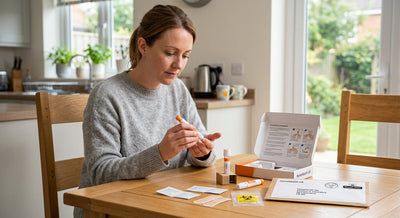
Vitall Check’s female-focused at-home blood testing option includes oestradiol alongside other health markers. Check the exact marker list and collection instructions for the panel you choose.
For the clearest result:
- Record the first day of your period.
- Note your usual cycle length.
- Write down the date of suspected ovulation, if known.
- Follow the timing instructions for the specific hormone.
- Warm your hands and drink water before a finger-prick sample, unless your instructions say otherwise.
- Follow the official how to do a home blood test guide.
- Tell your GP about hormonal contraception, HRT, medicines and supplements.
An at-home result is a useful starting point, not a full cycle map. Hormonal contraception, HRT, irregular cycles and perimenopause can all make interpretation more complicated.
Samples are processed by UKAS-accredited partner laboratories working to NHS-grade standards. Your Insight Report translates raw laboratory data into plain-English information and helps you prepare questions for your next GP conversation. It does not diagnose “oestrogen dominance”.
The sensible takeaway
“Oestrogen dominance” is a popular label for a messy group of symptoms and hormone patterns. The biology behind relative oestrogen and progesterone changes is real, especially when ovulation is irregular. The label itself is not a diagnosis.
Focus on the better questions:
- Which hormones were measured?
- When in your cycle was the sample taken?
- Are your periods regular?
- Could perimenopause, PCOS, thyroid problems or low iron be involved?
- What should you ask your GP next?
That approach gives you context instead of a viral diagnosis.
Frequently asked questions
Q: Is oestrogen dominance a real medical condition? A: No. It is a popular wellness term, not a formal diagnosis with one agreed blood test. Specific causes of symptoms should be assessed instead.
Q: When should I test progesterone in my cycle? A: Usually around seven days after ovulation or seven days before your next period. A fixed “day 21” test only suits a regular 28-day cycle.
Q: Can an at-home hormone test diagnose perimenopause or PCOS? A: No. It can provide laboratory information to support a better-informed GP conversation, but diagnosis depends on your symptoms, cycle history, medical background and any further assessment needed.
Author
Vitall Check Editorial Team
The Vitall Check Editorial Team is dedicated to empowering individuals with evidence-based health information and clear, actionable insights. Every article is researched using peer-reviewed journals and official health resources, reflecting our commitment to the same high standards of accuracy as our laboratory testing services. Our goal is to make proactive wellness accessible, data-driven, and transparent.
Disclaimer: Vitall Check is not CQC registered. The content provided is for general information only, does not provide a diagnosis, and does not replace advice from a qualified healthcare professional. Our services do not include treatment, prescription, or medical advice that falls under CQC-regulated activities. Always consult with your GP or a qualified clinician before making significant changes to your healthcare regimen.