Boy kibble is simple, cheap and easy to batch-cook. That is exactly why it has taken off.
The viral TikTok and Instagram trend usually means a bowl of minced beef and white rice, sometimes with a little vegetable, sauce or fat. It can work as one practical meal. The problem starts when the same beige bowl becomes breakfast, lunch and dinner.
A high-protein meal is not automatically a complete diet. Your body needs more than protein and calories. It also needs fibre, vitamins, minerals and variety.
TL;DR:
- Boy kibble usually means minced beef and white rice, sometimes with vegetables or fat.
- The basic version can provide protein, iron and B vitamins.
- Eating it repeatedly may leave less room for fibre, calcium, vitamin C, folate and other nutrients.
- Upgrade the bowl with vegetables, beans, wholegrains and different protein sources.
- If you are searching for a vitamin deficiency test UK, check the exact markers included before ordering.
- Blood testing can show what is present in your blood. It cannot diagnose the cause of a deficiency or replace a GP consultation.
What's boy kibble? Boy kibble is a simple meal trend built around minced beef and rice. It can be a convenient meal, but eating the same basic version too often may reduce your intake of fibre and several vitamins and minerals.
What is the boy kibble trend?
The name sounds like something served in a dog bowl. That is part of the joke.
In practice, boy kibble is usually minced beef, white rice and sometimes peppers, onions, broccoli, avocado, eggs or sauce. It has become popular with gym-goers and busy young men because it is easy to cook, easy to portion and easy to repeat.
The trend is not a new food invention. It is old-school bodybuilding meal prep with a more memorable internet name. Both The Guardian’s explanation of boy kibble and NPR’s coverage of the trend describe the same basic idea: a fast, high-protein bowl that keeps cooking and decision-making to a minimum.
That convenience matters. If a repeatable meal helps you eat regularly instead of relying on takeaway food, it may be useful.
But convenience should be the foundation, not the entire building.
What beef and rice can provide
Minced beef is a source of protein, iron, zinc and B vitamins. It can also provide vitamin B12, which is mainly found naturally in animal products.
Rice supplies carbohydrate, which your body uses for energy. White rice is quick to cook and easy to digest. For someone training regularly, that can make it a practical part of a meal.
So, is boy kibble “bad”? Not automatically.
The issue is what the rest of your day looks like.
Think of your diet as a toolbox. Beef may give you several useful tools, and rice gives you another. But if the box contains only the same few tools, you may still be missing the spanner you need.
A bowl of beef and rice may tick the protein box. It does not automatically cover every nutritional need.

Which nutrients can boy kibble miss?
The risk comes from repetition and omission. If your bowl contains mostly minced beef and white rice, several food groups may be pushed out.
Fibre
White rice contains less fibre than wholegrain rice. Meat contains no fibre.
Fibre comes mainly from plant foods such as vegetables, fruit, beans, lentils, nuts, seeds, oats, wholegrain bread and wholegrain rice. The NHS advice on eating a balanced diet recommends choosing a wide range of foods and basing meals on higher-fibre starchy carbohydrates where possible.
Fibre supports normal digestion. It also helps you build a more varied diet.
If your meals are built like a playlist with one song on repeat, your gut is not getting much variety either.
Vitamin C
Beef and rice are not major sources of vitamin C. You usually find it in fruit and vegetables, especially peppers, broccoli, tomatoes, citrus fruit, berries and potatoes.
A small handful of onions or a few frozen peas may help, but the amount and variety still matter across the day.
The NHS guide to vitamins and minerals explains that vitamins and minerals are needed in small amounts for the body to work properly. “Small amount” does not mean “unimportant”.
Folate
Folate, also called vitamin B9, is found in green vegetables, beans, peas, lentils and fortified foods.
A plain beef-and-rice diet may contain much less folate than a diet that regularly includes leafy greens, pulses and fortified cereals.
The NHS notes that a lack of folate can contribute to folate deficiency anaemia. If you have symptoms such as unusual tiredness, weakness or pins and needles, speak to your GP rather than trying to interpret a food trend or home test alone. You can read the official information on vitamin B12 and folate deficiency anaemia.
Calcium
Calcium is commonly supplied by milk, yoghurt, cheese and fortified alternatives. A bowl of minced beef and rice does not usually contain much calcium unless you add other ingredients.
That does not mean you need dairy with every meal. It means you need to notice whether calcium-rich foods appear anywhere in your wider diet.
Vitamin D
Vitamin D is a separate issue because food is not the only factor. Sunlight exposure, season, skin type, age and other personal factors can affect vitamin D status.
This is one reason a food diary cannot always tell you what is happening inside your body. It is like looking at the outside of your car and guessing how much fuel is in the tank.
How to make boy kibble more balanced
You do not need to abandon the meal. You need to stop treating the basic version as a complete diet.
Try these simple upgrades:
- Add two handfuls of vegetables: Use frozen broccoli, peppers, peas, spinach, carrots or mixed vegetables.
- Add a fibre source: Mix in beans or lentils, or swap some white rice for brown rice, quinoa or potatoes with the skin on.
- Use different proteins: Rotate beef with eggs, fish, chicken, tofu, beans or lentils.
- Include calcium elsewhere: Add yoghurt, milk, cheese or a fortified alternative during the day.
- Bring in fruit: Berries, oranges, bananas and apples are easy additions to breakfast or a snack.
- Vary the fats and flavours: Avocado, nuts, seeds, olive oil, herbs and spices can make the meal less repetitive.
Frozen vegetables are particularly useful. They require little preparation and can go straight into a pan. The meal stays convenient without becoming nutritionally one-note.
The UK Government’s Eatwell Guide is a useful reference for seeing how different food groups fit together. It is not a rigid meal plan. It is more like a map showing that your journey needs more than one road.

When should you consider a vitamin deficiency test in the UK?
If your diet has been very repetitive for weeks or months, you may want clearer information instead of guessing.
Searches for vitamin deficiency test UK often bring up a wide range of panels. Before ordering, check:
- Which vitamins and minerals are actually tested.
- Whether the sample is processed by a UKAS-accredited laboratory.
- How the sample is collected and returned.
- Whether results include the lab reference range.
- Whether the report explains the results in plain English.
- What the service does if your sample cannot be processed.
Vitall Check’s Essential Vitamins & Nutritional Health Test includes vitamin D, vitamin B12, active B12 and folate. If you are specifically looking at iron stores and iron-related markers, the Complete Health & Performance Blood Test includes ferritin, iron, transferrin, folate and vitamin B12 among its wider panel.
No test can tell you that a food trend caused a deficiency. Results need to be considered alongside your diet, symptoms, medications and health history.
Vitall Check samples are processed by UKAS-accredited partner laboratories, with results delivered through a secure portal. The Insight Report acts as a manual for your data: it translates raw laboratory numbers into clear, easy-to-understand explanations. It does not diagnose a condition, prescribe supplements or replace your GP.
If you want a wider explanation of why one marker should not be read alone, read the Health Hub pillar post on why blood test results need context.
Key reminders before testing
⚠️ Do not stop prescribed medication or supplements without speaking to your GP.
⚠️ A home blood test is not a diagnosis. If you have worrying or persistent symptoms, contact your GP.
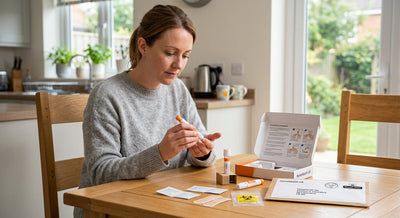
⚠️ Follow the official how to collect your sample guide. Finger-prick collection is convenient, but some people find it difficult. Warm hands, good hydration and careful preparation can help.
⚠️ If you feel faint or uneasy, stop and ask someone to stay with you. Needing help is normal.
FAQ
Q: Is boy kibble healthy? A: It can be part of a balanced diet, especially when you add vegetables, fibre and variety. The basic beef-and-white-rice version may leave gaps if eaten too often.
Q: Can beef and rice cause vitamin deficiency? A: Eating beef and rice does not automatically cause a deficiency. However, a very narrow diet may provide less fibre, calcium, vitamin C, folate and other nutrients than a varied diet.
Q: What does a vitamin deficiency test UK panel check? A: It depends on the provider. Check the marker list carefully. Vitall Check’s Essential Vitamins & Nutritional Health Test checks vitamin D, vitamin B12, active B12 and folate. Other panels may include iron and ferritin.
Q: Can a home vitamin test replace a GP appointment? A: No. It can provide useful laboratory information and help you arrive informed for a GP conversation, but it does not replace clinical assessment or diagnosis.
Summary
Boy kibble is not the villain. Eating the same basic bowl for most meals is the part worth questioning.
Keep the convenience if it works for you. Add vegetables, fibre, fruit, calcium-rich foods and different protein sources across the week. If you are concerned about a nutritional gap, use a properly described blood test to gather information rather than guessing from social media.
Your meal prep can be simple without becoming nutritionally narrow.
Author
Vitall Check Editorial Team
The Vitall Check Editorial Team is dedicated to empowering individuals with evidence-based health information and clear, actionable insights. Every article is researched using peer-reviewed journals and official health resources, reflecting our commitment to the same high standards of accuracy as our laboratory testing services. Our goal is to make proactive wellness accessible, data-driven, and transparent.
Disclaimer: Vitall Check is not CQC registered. The content provided is for general information only, does not provide a diagnosis, and does not replace advice from a qualified healthcare professional. Our services do not include treatment, prescription, or medical advice that falls under CQC-regulated activities. Always consult with your GP or a qualified clinician before making significant changes to your healthcare regimen.