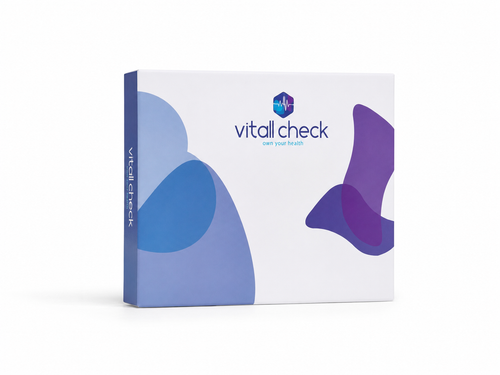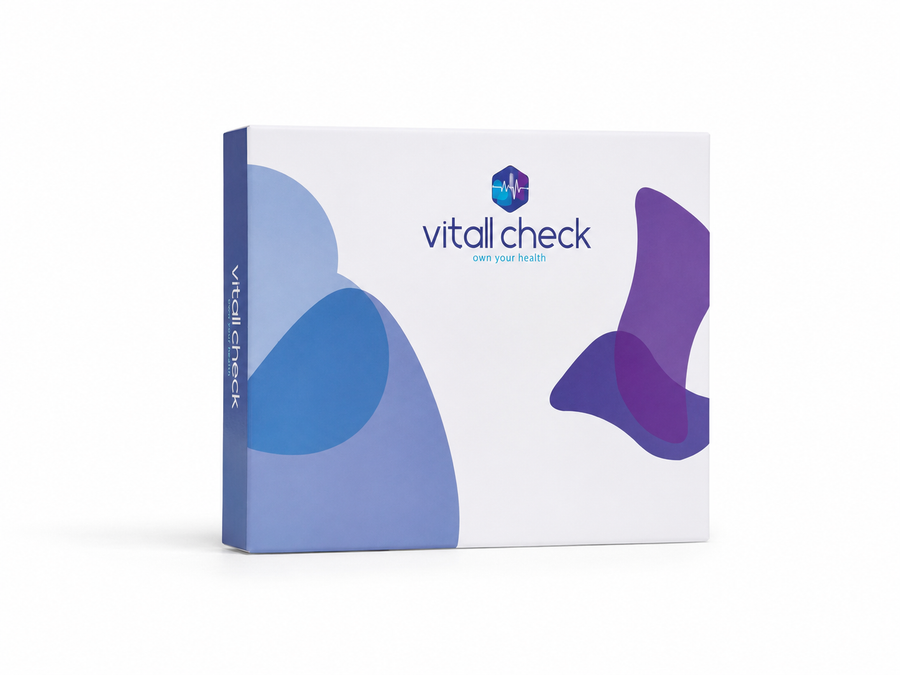


Training Essentials Blood Test
Streamline your performance baseline. Monitor the absolute core markers required to track fitness recovery and stay clear of fatigue. Fast digital dashboard results with plain-English AI data summaries.
15 biomarkers across 7 health systems
Tap any group to see exactly what we measure and why it matters.
-
ALT (Alanine Aminotransferase)
A liver enzyme that leaks into the blood when liver cells are stressed. Mildly raised ALT is common after heavy training, recent alcohol, certain medications, or fatty changes in the liver. Persistently high ALT is worth discussing with a GP.
-
Aspartate Aminotransferase (AST)
An enzyme that leaks into your blood when liver cells are stressed or damaged. Often looked at alongside ALT to give a clearer picture of liver health. Heavy exercise can also raise it temporarily.
-
Creatinine
A waste product your muscles produce that's filtered out by your kidneys. Levels can shift with muscle mass, hydration status and protein intake, so very muscular people often sit slightly higher than the population average.
-
eGFR (estimated Glomerular Filtration Rate)
An estimate of how efficiently your kidneys filter blood, calculated from your creatinine. Higher is generally better. It's the single most-used indicator of overall kidney functio n.
-
Total Cholesterol
The total amount of cholesterol circulating in your blood, including both protective (HDL) and less-protective (LDL) types. On its own it tells you very little, which is why we always read it alongside HDL, LDL and the ratio below.
-
High Density Lipoprotein HDL (good cholesterol)
The cholesterol that picks up excess from your arteries and returns it to your liver. Higher HDL is generally protective. It's influenced by exercise, alcohol intake, and the types of fat in your diet.
-
Low Density Lipoprotein LDL (less-protective cholesterol)
The cholesterol most associated with build-up in artery walls when it sits high for years. Diet (especially saturated fat), genetics, body composition and activity level all influence LDL (Low Density Lipoprotein).
-
Triglycerides
A form of fat your body uses for energy. Levels are heavily influenced by recent meals (which is why we ask you to fast), alcohol, carbohydrate intake and overall body composition.
-
CRP (C-Reactive Protein)
A marker your liver releases when there's inflammation anywhere in the body. High CRP can reflect short-term inflammation (a recent illness, intense training, an injury) or longer-term, low-grade inflammation linked to lifestyle, sleep and stress.
-
HbA1c (%)
Your average blood sugar level over the past 8-12 weeks, expressed as a percentage. Often called your "glucose memory" because, unlike a single glucose reading, it can't be gamed by a recent meal or fast.
-
HbA1c (mmol/mol)
The same measurement in mmol/mol, the unit the NHS and UK clinicians use. We show both so you can compare to NHS or older test results easily.
-
Ferritin
Your body's stored iron, the long-term iron savings account. Low ferritin is the earliest sign of iron deficiency, often appearing before iron itself drops or anaemia develops. Common in women with heavy periods, athletes, and people on plant-based diets.
-
Vitamin D
The vitamin your body makes from sunlight and gets from food. Affects bones, muscles, mood, and immune function. UK adults often run low in winter months.
-
Testosterone (Total)
The principal male sex hormone, also important in women at lower levels. Influences muscle mass, libido, mood, energy and bone density. Levels naturally peak in the morning, which is why we ask for a morning sample.
-
TSH (Thyroid Stimulating Hormone)
The pituitary signal that tells your thyroid how hard to work. Counter-intuitively, high TSH usually means your thyroid is under-active (the brain is shouting at it), and low TSH often means it's over-active.
From order to answers in four steps
Order online
Choose at-home or clinic. Free delivery on orders over £100.
Collect your sample
Simple finger-prick or a quick visit to one of our UK partner clinics.
Lab analyses it
Posted back free to our UKAS-accredited partner laboratories.
Plain-English results
Within 48 hours in your secure portal, with your lifestyle action plan.
Includes Summary & action planQuick prep for an accurate result
Numbers on the left. Answers on the right.
Every marker shows its result and reference range, colour-coded by status. Each group gets a plain-English explanation and lifestyle context.

What people say
Frequently asked
Capillary (finger-prick) samples are highly reliable when collected correctly. Our partner laboratories are UKAS-accredited and process samples to the same clinical standards used by the NHS and private clinics. For panels needing a larger sample, a clinic draw is recommended at the cart stage.
Morning, before 10am, after an 8-hour fast (water is fine). Avoid heavy exercise for 24 hours and pause biotin supplements for 2 days. Post the sample back the same day, Monday to Thursday.
Vitall Check provides AI-powered plain-English summaries and a personalised lifestyle action plan, not clinical diagnoses. If results sit outside the reference range, we provide a ready-to-use guide for your next GP appointment.
Many medications and conditions can influence biomarker results. We recommend discussing your medical history with your GP, who will interpret your results in the full clinical context.
When your kit arrives, visit vitallcheck.co.uk/activate and enter your order number.
Delivery: Tracked delivery on every kit — free on orders over £100. Return postage to the lab is always prepaid. Order before 1pm Monday to Friday for next-day delivery.
Posting your sample: Post Monday to Thursday so your sample reaches the lab before the weekend.
Sample failures: If the lab can't process your sample, your replacement kit is free. Additional replacements are charged at £40.