Sleepmaxxing has turned bedtime into a full production. Mouth tape, magnesium, blue-light glasses, sleep trackers, eight-hour targets: suddenly, going to bed feels like preparing for the Olympics.
Some of the advice is sensible. Some of it is social media wearing a lab coat.
The bigger point? Your sleep routine only tells part of the story. If poor sleep keeps showing up, blood markers may provide useful context for a better conversation with your GP.
TL;DR:
- Sleepmaxxing gets regular routines, morning light and less late-night screen time broadly right.
- Mouth taping, supplement stacking and chasing perfect tracker scores are not magic fixes.
- Poor sleep can sit alongside changes in blood sugar, iron stores, thyroid function, inflammation and stress hormones.
- Useful markers may include morning cortisol, HbA1c, fasting glucose, ferritin, vitamin D, TSH, free T4 and CRP or hs-CRP.
- A blood test gives context. It does not diagnose the cause of poor sleep.
- Use your results to arrive informed for your next GP conversation.
What's sleepmaxxing? Sleepmaxxing is the social media trend of using routines, gadgets, supplements and strict rules to try to improve sleep. The useful parts are simple habits such as regular sleep times, while many viral hacks have limited evidence.
What sleepmaxxing gets right, and where it goes too far
Sleepmaxxing is not a medical treatment. It is a collection of habits and hacks bundled together under one catchy name.
The useful basics are familiar for a reason:
- Keep a regular bedtime and wake-up time.
- Reduce bright screens before bed.
- Limit caffeine later in the day.
- Make your bedroom dark, quiet and cool.
- Get daylight and movement during the day.
- Give yourself time to wind down.
The NHS guide to sleeping better supports many of these foundations. It recommends a regular routine, avoiding phones and computers for around an hour before bed, and creating a comfortable sleep environment.
The trend becomes less helpful when it turns sleep into a performance review. Your tracker reports 62 minutes of deep sleep, so now you are lying awake worrying about your score. Brilliant. The tracker has become the thing keeping you awake.
Think of sleep tracking like a weather app. It can show patterns, but it cannot explain every cloud. Use it for rough trends, not as a diagnosis or a nightly exam.
Mouth taping deserves caution too. It is not a universal fix for snoring, poor sleep or breathing problems. If you snore loudly, wake gasping or feel exhausted despite spending enough time in bed, speak to your GP rather than relying on a viral hack.

The blood markers sleepmaxxing often ignores
Blood testing cannot tell you exactly why you slept badly last night. It can, however, show whether other parts of your health deserve attention.
1. Morning cortisol
Cortisol is a hormone involved in your body’s stress response. It follows a daily rhythm and is usually higher in the morning than later in the day.
Poor sleep, intense training, work stress, illness and caffeine can all affect the picture. That means timing matters. A morning cortisol result is not interchangeable with an afternoon result.
A single cortisol result is a snapshot, not a verdict. It does not prove that “high cortisol” is the reason you cannot sleep. Your GP will consider symptoms, medicines, medical history and the reason for testing.
2. HbA1c and fasting glucose
Sleep and blood sugar are connected in more complicated ways than TikTok suggests.
HbA1c gives an estimate of your average blood sugar over roughly the previous two to three months. It is more like a receipt from the last several weeks than a photograph from this morning.
Fasting glucose is a single measurement taken after fasting. It can be useful, but it is more affected by what is happening on that particular day.
Research reviewed in the Journal of Clinical Nursing found a relationship between sleep quality and blood sugar control in adults with type 2 diabetes, although the evidence around sleep duration was less consistent.
If you have poor sleep alongside thirst, frequent urination, unexplained weight change or known diabetes risk factors, discuss HbA1c and glucose testing with your GP. NICE guidance recommends blood testing as part of assessing people at higher risk of type 2 diabetes, rather than testing simply because a sleep trend has appeared online. You can read the NICE recommendations on type 2 diabetes prevention.
3. Ferritin
Ferritin reflects your stored iron. Think of it as your body’s iron savings account.
If stores are low, you may also have tiredness, reduced stamina or restless legs. Restless legs can create an annoying loop: your legs feel uncomfortable, you move around, and your sleep gets broken into tiny pieces.
The NHS restless legs syndrome guidance explains that the condition can be linked with iron deficiency and may affect sleep.
Ferritin may be worth discussing if you have heavy periods, follow a restricted diet, train frequently or feel an urge to move your legs at night. Do not start iron supplements based on a social media post. Iron needs proper context.
4. Vitamin D
Vitamin D is involved in bone and muscle health. Low levels can overlap with tiredness and reduced wellbeing, but vitamin D is not a guaranteed sleep solution.
Testing may be more relevant if you have limited sun exposure, darker skin, bone or muscle symptoms, or other risk factors for deficiency. Results should be read against the laboratory’s own reference range.
For more detail, see the Health Hub guide to Vitamin D testing in the UK. You can also explore the Essential Vitamins & Nutritional Health Test, which includes vitamin D alongside other nutritional markers.
5. Thyroid function: TSH and free T4
Your thyroid helps regulate processes such as energy use and temperature control. It is a little like the thermostat of your body: when the signal is not working as expected, you may notice changes in energy, mood, temperature or weight.
The NHS explains that blood tests for suspected underactive thyroid commonly check thyroid-stimulating hormone, or TSH, and thyroxine, or T4. Read the NHS information on underactive thyroid diagnosis.
Poor sleep alone does not prove a thyroid problem. But poor sleep alongside fatigue, feeling unusually cold, weight changes, low mood or difficulty concentrating is worth discussing with your GP.
The Advanced Thyroid Health & Metabolism Panel includes TSH, free T3, free T4 and thyroid antibodies. It provides laboratory results and plain-English explanations, not a diagnosis.
6. CRP and hs-CRP
CRP is a marker linked with inflammation. It is more like a smoke alarm than a detective: it may tell you that inflammation is present, but not exactly where it came from.
A recent infection, injury, hard training session or poor recovery can affect CRP. That is particularly important if you are an athlete or regularly train hard. One raised result should not be treated as proof that your sleep routine is failing.
hs-CRP is a more sensitive version used in some cardiovascular risk assessments. It is not a “sleep score” and is not automatically useful for everyone with insomnia.

How to use blood testing sensibly
Start with the question you want answered.
If you want a broad picture of metabolic, nutritional, organ and hormonal markers, the Complete Health & Performance Blood Test measures 50 biomarkers across several health systems.
If your concern is more focused, choose a targeted panel instead. More markers do not automatically mean more useful information. A bigger dashboard can still leave you staring at the wrong warning light.
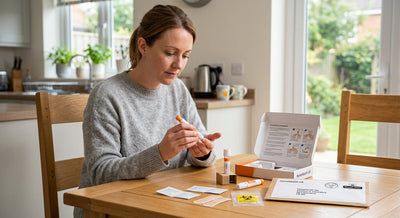
Vitall Check samples are processed by UKAS-accredited partner laboratories working to NHS-grade standards. Results are delivered digitally within 48 hours after the laboratory receives a suitable sample, with an Insight Report that translates raw results into clear, easy-to-understand information.
Prepare properly:
- Follow the official “how to collect your sample” guide.
- Warm your hands and drink water unless your instructions say otherwise.
- Check whether fasting or a morning collection is required.
- Avoid hard training beforehand if your test instructions advise it.
- Do not stop prescribed medicines without speaking to your GP.
- If you feel faint or uneasy, stop and ask someone to stay with you.
A finger-prick sample can be straightforward, but it can also be fiddly. That is normal. Good preparation helps, but it cannot guarantee that every collection will be easy.
The sensible sleepmaxxing plan
Keep the helpful basics:
- Wake up at roughly the same time each day.
- Get daylight early when you can.
- Reduce screens before bed.
- Keep caffeine earlier in the day.
- Make your bedroom comfortable.
- Stop chasing perfect sleep scores.
- Speak to your GP if sleep problems persist or affect your daytime life.
Blood testing can add context when poor sleep sits alongside other symptoms. It cannot tell you to ignore snoring, breathing problems, severe tiredness or ongoing health concerns.
Use your results as a conversation starter. Arrive informed, bring your questions and let your GP interpret the findings in the wider picture.
Summary: sleep better without turning bedtime into homework
Sleepmaxxing gets the basics right but often sells complexity as progress.
You do not need a bedroom full of gadgets to start improving your sleep. You do need realistic habits, patience and a willingness to look beyond the sleep tracker when problems continue.
Markers such as morning cortisol, HbA1c, fasting glucose, ferritin, vitamin D, TSH, free T4 and CRP or hs-CRP may provide useful context in the right situation. They do not diagnose the cause of poor sleep.
FAQ
Q: Can poor sleep affect blood test results? A: It can influence some markers, including stress-related hormones and possibly glucose or inflammation markers. Tell your GP about your sleep, recent illness, training and medicines so results can be read in context.
Q: Should I get a blood test if I cannot sleep? A: Not automatically. A blood test may be worth discussing if poor sleep comes with symptoms or risk factors linked with iron deficiency, thyroid problems, blood sugar changes, vitamin D deficiency or inflammation.
Q: Can an at-home blood test diagnose the cause of poor sleep? A: No. It provides laboratory data and plain-English context. It can help you arrive informed for a GP conversation, but it does not diagnose, treat, prescribe or replace medical care.
Author
Vitall Check Editorial Team
The Vitall Check Editorial Team is dedicated to empowering individuals with evidence-based health information and clear, actionable insights. Every article is researched using peer-reviewed journals and official health resources, reflecting our commitment to the same high standards of accuracy as our laboratory testing services. Our goal is to make proactive wellness accessible, data-driven, and transparent.
Disclaimer: Vitall Check is not CQC registered. The content provided is for general information only, does not provide a diagnosis, and does not replace advice from a qualified healthcare professional. Our services do not include treatment, prescription, or medical advice that falls under CQC-regulated activities. Always consult with your GP or a qualified clinician before making significant changes to your healthcare regimen.