A home blood test can make it easier to get information about your health. But before you buy, look past the brand name and the number of markers. What matters is whether the test suits your question, how the sample is processed and whether you can understand what comes back.
TL;DR:
- Medichecks may be worth considering, but value depends on the specific test and what you need from it.
- Compare the processing laboratory, sample method, result turnaround, report and customer support.
- Check the exact markers in the panel. A longer list is not automatically a better fit.
- Finger-prick collection can take preparation. Warm your hands, drink water unless instructed otherwise and follow the official guide.
- A private blood test does not replace GP care or diagnose a condition.
Is Medichecks worth it in 2026? It may suit you if its specific test matches your needs and you are comfortable with the sample method, reporting and support. Compare those details with other providers before buying, and use results to support, not replace, a conversation with your GP.
What does Medichecks offer?
Medichecks is one of the private providers you may come across when looking for at-home blood tests. For a neutral reference, visit Medichecks’ website. Check the current listing for the specific test you are considering: details can differ between panels and may change.
So, is Medichecks worth it? There is no useful yes-or-no answer without knowing which test you want and what you expect it to do. A focused panel for a clear question may be more useful to you than a broad test with markers you do not know how to follow up.
That is true whichever provider you choose. Think of it like buying a tool: a large toolbox is not automatically better if you need one specific spanner.
Five things to compare before you buy
1. The laboratory processing your sample
Find out whether the provider names the laboratory that processes the sample and whether that lab is UKAS-accredited. If you need more detail, check what the accreditation covers rather than relying on a badge alone.
Laboratory accreditation is a useful quality check, but it does not tell you whether a particular test is right for you or explain what your result means in your personal circumstances.
Vitall Check samples are processed by UKAS-accredited laboratories to NHS-grade standards. This is about laboratory processing, not a promise of diagnosis or medical advice.
2. The sample method and preparation
Check whether the test uses a finger-prick sample, a venous sample taken from a vein, or offers a choice. The right method can depend on the test and the markers included.
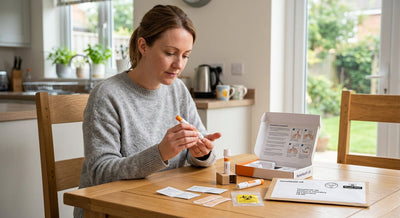
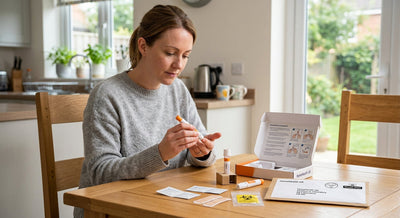
A finger-prick may be convenient, but collecting enough blood can take patience. Cold hands or rushing can make it harder. Warm your hands, drink water unless your instructions say otherwise, and follow the provider’s official “how to collect your sample” guide step by step.
Read the instructions before you start. Check whether the test needs a morning sample, fasting or another preparation step. Do not stop prescribed medicine unless your GP or another qualified healthcare professional tells you to.
For further help with preparation and collection, read the at-home blood test guide in the Health Hub and the official sample collection guide.

3. Turnaround time, and when the clock starts
A provider’s estimated turnaround can help you plan, but check what it means. Does the count start when you order, when your sample is posted or when the laboratory receives it? Ask what happens if the sample is delayed or cannot be processed.
Vitall Check provides results within 48 hours after the laboratory receives a suitable sample. Compare that timing with the estimate for the exact panel you want, rather than relying on a general promise.
4. The report: numbers or plain-English explanation?
A report may show your result beside a reference range. The range the laboratory uses to flag results for review. That is useful information, but raw figures can feel like reading a train timetable without knowing which station you need.
Look for an explanation that helps you understand what was measured, what the reference range means and what questions you might want to take to your GP. A report should not be mistaken for a diagnosis or personal medical advice.
Vitall Check includes a personalised Insight Report that translates raw data into plain English and provides a personalised health action plan. It is designed to make results easier to understand and help you prepare for a GP conversation, not to diagnose or advise on treatment.
5. Panel range and customer support
Compare the markers one by one. Do not choose on the panel name alone: two tests with similar names may measure different things. Ask whether the panel fits your reason for testing and whether customer support can explain practical matters such as collection, postage or accessing your report.
For men’s health, Vitall Check offers different options, including the Premium Men’s Health MOT and the Male Hormone Health & Vitality Test. You can browse the full men’s health collection and compare the listed markers before choosing.

When should you speak to your GP?
If you are thinking about testing because of symptoms, start by considering whether you need a clinical assessment rather than a shopping comparison.
The NHS advises you to see a GP if tiredness has lasted for a few weeks, affects daily life or comes with other symptoms. Its tiredness and fatigue guidance also notes that tiredness can have many causes. A blood test is one part of the picture, not the whole story.
If you are concerned about your thyroid, the NHS explains that a GP may assess symptoms and use blood tests to check thyroid-stimulating hormone and thyroxine. See the NHS page on underactive thyroid and NICE guidance on thyroid disease. These resources underline why a result needs to be considered alongside your symptoms and health history.
The NHS also explains why blood tests are used, how to prepare and what happens with results. A private result can help you arrive informed, but it does not replace an assessment by your GP or another qualified clinician.
Summary: what to check before you choose
Medichecks may be worth considering if the exact test you want suits your needs. The same careful checks apply to any provider.
Before you buy, check:
- Which laboratory processes the sample and whether it is UKAS-accredited.
- Which sample method the test uses and what preparation it needs.
- When the turnaround estimate starts.
- Which markers are included and whether they match your question.
- How the report explains results and what support is available.
- How you will discuss concerns or unexpected results with your GP.
A blood test is a bit like a map: it can give you useful direction, but it cannot make the journey or explain every turn. Choose a test for a clear reason, follow its collection instructions and use the results to support a better conversation with your GP.
Frequently asked questions
Q: Can an at-home blood test replace a GP visit? A: No. It can provide information to help you arrive informed for your next GP appointment, but it does not replace a clinical assessment, diagnosis or advice from a qualified healthcare professional.
Q: Are finger-prick blood tests as accurate as venous draws? A: Not in every situation. A finger-prick sample can provide reliable results when the test is suitable for that method and you collect it correctly. Some tests may require a venous sample, so check the instructions for your chosen panel.
Q: How do I know if a private blood test is worth the cost? A: Compare the specific markers, laboratory, collection method, turnaround, report and support included. Choose a test that answers a clear question, and consider discussing symptoms or concerns with your GP.
Author
Vitall Check Editorial Team
The Vitall Check Editorial Team is dedicated to empowering individuals with evidence-based health information and clear, actionable insights. Every article is researched using peer-reviewed journals and official health resources, reflecting our commitment to the same high standards of accuracy as our laboratory testing services. Our goal is to make proactive wellness accessible, data-driven, and transparent.
Disclaimer: Vitall Check is not CQC registered. The content provided is for general information only, does not provide a diagnosis, and does not replace advice from a qualified healthcare professional. Our services do not include treatment, prescription, or medical advice that falls under CQC-regulated activities. Always consult with your GP or a qualified clinician before making significant changes to your healthcare regimen.