Feeling tired all the time is frustrating. It may be poor sleep, stress, training load or something nutritional. Iron deficiency is one possible reason , but guessing from symptoms alone will not tell you what is happening.
An iron test at home in the UK can give you useful laboratory data before your next GP conversation. It does not replace NHS care or provide a diagnosis. It gives you a clearer starting point.
TL;DR:
- Ferritin shows your stored iron. It is often the most useful first marker.
- Haemoglobin helps show whether anaemia is present.
- Transferrin saturation gives context about how much iron is available to your body.
- Fatigue, breathlessness, headaches and palpitations can occur with iron deficiency, but they can have other causes too.
- Women with heavy periods, athletes and people following plant-based diets may need to pay closer attention to iron status.
- At-home testing needs preparation. Warm hands, hydration and careful sample collection matter.
- Use your results to arrive informed for your next GP appointment , not to self-diagnose.
What's the best way to check iron levels at home in the UK? A laboratory blood test that includes ferritin, haemoglobin and, where appropriate, transferrin-related markers can show your iron stores and help you prepare for a more informed GP conversation.
What does an iron deficiency test check?
Iron is used to make haemoglobin, the protein inside red blood cells that carries oxygen around your body. You can think of haemoglobin as a fleet of delivery vans. If there are not enough vans, less oxygen may reach your muscles and organs.
An iron panel may include several markers:
Ferritin: your iron storage cupboard
Ferritin reflects the amount of iron stored in your body. A low result can suggest that your reserves are running down, even before haemoglobin falls.
The British Society of Gastroenterology guideline published in Gut describes ferritin as the main laboratory marker used to confirm iron deficiency. It also explains that inflammation can make ferritin appear higher than expected, which is why results need context.
Haemoglobin: the oxygen-carrying measure
Haemoglobin helps show whether anaemia may be present. Anaemia means your blood has fewer healthy red cells or less haemoglobin than expected.
A normal haemoglobin result does not always rule out low iron stores. This is why checking ferritin alongside a full blood count can provide a fuller picture.
Transferrin saturation: the delivery status
Transferrin is a protein that carries iron through your bloodstream. Transferrin saturation estimates how much of that carrier is loaded with iron.
Imagine a train network. Ferritin is the warehouse, transferrin is the train and transferrin saturation tells you how full the trains are. A result can look different depending on whether the issue is storage, transport or red blood cell production.
Your GP may request transferrin saturation as part of wider iron studies, especially if ferritin is borderline or inflammation may affect the result.
What can low iron feel like?
The NHS lists tiredness, low energy, shortness of breath, noticeable heartbeats, pale skin and headaches as possible symptoms of iron deficiency anaemia.
You may also notice:
- Reduced exercise tolerance
- Feeling light-headed
- Difficulty concentrating
- Hair loss or nail changes
- A sore tongue
- Craving non-food items such as ice
These symptoms are not proof of iron deficiency. They can also appear with sleep problems, thyroid conditions, vitamin deficiencies, infection, stress and other health concerns.
That is why symptoms are clues, not conclusions. A blood test is more like turning on a torch in a dark room: it helps you see what may need discussing, but it does not explain the entire house.

Who is more likely to have low iron?
Women with heavy periods
Regular blood loss can reduce iron stores over time. If your periods are heavy, prolonged or have recently changed, make a note of this before discussing your results with your GP.
Pregnancy also changes iron needs. If you are pregnant or recently gave birth, speak with your maternity team or GP about the right testing and follow-up.
Athletes and highly active people
Running and other high-volume exercise can increase the demand placed on your body. Training may also affect some blood markers, particularly when you test soon after a hard session.
For example, an athlete may feel unusually tired during a heavy training block. That does not automatically mean low iron. It could reflect inadequate recovery, illness, stress or low energy intake. Context matters.
If you train regularly, avoid an unusually hard workout for 24 hours before sampling where your kit instructions advise this. Record your recent training load so you can mention it when discussing the results.
People following plant-based diets
A well-planned plant-based diet can include iron through foods such as lentils, beans, tofu, fortified cereals and leafy green vegetables. However, iron from plant foods is absorbed differently from iron in meat and fish.
A peer-reviewed study of recreational runners found that iron status varied between individuals following vegetarian, vegan and omnivorous diets, with depleted stores observed in some female participants. The study is available through Nutrients on PubMed Central.
Diet is only one part of the picture. Menstrual blood loss, digestive conditions and training load may also matter.

How does an at-home iron test work?
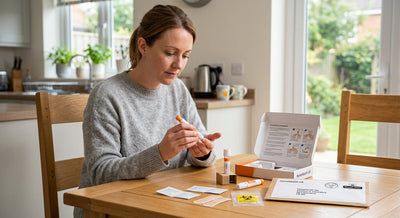
A finger-prick test uses a small capillary blood sample from your fingertip. You collect the sample at home, seal it as instructed and post it to the laboratory.
For a smoother collection:
- Hydrate well the day before.
- Warm your hands under warm water if your fingers are cold.
- Follow the official Vitall Check sample collection guide.
- Use the correct finger and lancet position.
- Fill the collection tube to the marked line.
- Do not squeeze the finger aggressively.
- Post the sample on the same day, following the kit instructions.
Some people find finger-prick collection straightforward. Others struggle to get enough blood. That is normal. If you feel faint or uneasy, stop, sit down and ask someone to stay with you. Contact the testing provider if you need help or a replacement kit.
For a wider panel that includes ferritin, serum iron, transferrin and haemoglobin, see the Complete Health & Performance Blood Test. The Active Lifestyle & Wellness Panel includes ferritin alongside other markers linked to energy and general health.
How should you use your results?
Start with three questions:
- Is ferritin within the laboratory reference range?
- Is haemoglobin within range?
- Do the results fit your symptoms, diet, menstrual history, training and recent health?
Do not treat one number as a verdict. Ferritin can be affected by inflammation, and serum iron can vary with timing and other factors. Your GP may decide that you need repeat testing, a full blood count, additional iron studies or investigation into possible blood loss.
Bring the complete report to your appointment. Note:
- Your symptoms and when they began
- Changes in your periods
- Your diet pattern
- Recent illness
- Your training schedule
- Any supplements or medicines
- Previous blood test results
Vitall Check results are processed by UKAS-accredited laboratories and delivered with an Insight Report. The report is a plain-English manual for your raw data. It helps translate results into understandable explanations and questions for your next healthcare conversation.
For wider context on how blood markers can overlap, read the Health Hub pillar post on liver function testing.
⚠️ When to contact your GP
Speak with your GP if you have persistent fatigue, breathlessness, palpitations, dizziness, unexplained hair loss or signs of ongoing blood loss.
Seek urgent medical help for severe breathlessness, chest pain, fainting or rapidly worsening symptoms.
Do not assume that low iron is caused by diet alone. Your clinician may need to investigate blood loss, absorption problems or another explanation. Do not start high-dose iron supplements without discussing them with a qualified healthcare professional.
FAQ
Q: Can I test ferritin at home in the UK? A: Yes. An at-home finger-prick blood test can measure ferritin when the selected panel includes it. Follow the collection guide carefully and discuss any concerning result with your GP.
Q: Is a finger-prick iron test as accurate as a blood test at a clinic? A: A correctly collected capillary sample can be suitable for laboratory analysis. However, some people find collection difficult, and certain investigations may require a venous sample or a wider NHS work-up.
Q: Can low ferritin cause tiredness without anaemia? A: Low iron stores may occur before haemoglobin falls. However, tiredness has many possible causes, so ferritin should be interpreted alongside haemoglobin, symptoms and your wider health history.
Summary
An iron test at home in the UK can help you check important markers without waiting for a routine appointment. Ferritin shows stored iron. Haemoglobin helps show whether anaemia may be present. Transferrin saturation adds information about iron availability.
Prepare properly, follow the official sample guide and take the full report to your GP if you have symptoms or results outside the laboratory reference range. The aim is not to replace medical care. It is to help you arrive informed and have a clearer conversation.
Author
Vitall Check Editorial Team
The Vitall Check Editorial Team is dedicated to empowering individuals with evidence-based health information and clear, actionable insights. Every article is researched using peer-reviewed journals and official health resources, reflecting our commitment to the same high standards of accuracy as our laboratory testing services. Our goal is to make proactive wellness accessible, data-driven, and transparent.
Disclaimer: Vitall Check is not CQC registered. The content provided is for general information only, does not provide a diagnosis, and does not replace advice from a qualified healthcare professional. Our services do not include treatment, prescription, or medical advice that falls under CQC-regulated activities. Always consult with your GP or a qualified clinician before making significant changes to your healthcare regimen.