You can have normal haemoglobin and still have low iron stores. That is the ferritin gap.
It explains why some people feel exhausted, breathless on the stairs or unable to recover from training, only to be told their standard blood count is “fine”.
TL;DR:
- Haemoglobin and ferritin are not the same thing. Haemoglobin carries oxygen. Ferritin reflects stored iron.
- You can have iron deficiency without anaemia when haemoglobin is still within the laboratory reference range.
- Common risk groups include people with heavy periods, endurance athletes, plant-based diets and frequent blood donation.
- Symptoms may include tiredness, brain fog, hair shedding, cold hands and reduced exercise tolerance.
- Ask your GP whether ferritin and other iron markers are appropriate for your symptoms and history.
- An at-home result can help you arrive informed for that conversation. It does not provide a diagnosis.
Can you have iron deficiency without anaemia? Yes. Your haemoglobin can be within the reference range while ferritin, which reflects your stored iron, is low.
What is iron deficiency without anaemia?
Iron deficiency without anaemia means your body’s iron stores are running low, but your haemoglobin has not fallen below the laboratory threshold for anaemia.
Think of haemoglobin as the delivery fleet carrying oxygen around your body. Ferritin is the warehouse where spare iron is stored. Your delivery vans may still be running, even when the warehouse is nearly empty.
That is why a full blood count can look reassuring while iron stores are already depleted.
The NHS explains that a full blood count is commonly used to check for iron deficiency anaemia. However, an FBC mainly shows what is happening with your blood cells and haemoglobin. It does not always answer the separate question: how much stored iron do you have?
Ferritin is often the missing piece.
A peer-reviewed review in Clinical Medicine describes iron deficiency without anaemia as a recognised condition that relies on looking at haemoglobin, ferritin and transferrin saturation together. A second review in Australian Prescriber also notes that low ferritin and low transferrin saturation can occur while haemoglobin remains normal.
Why can a standard blood test miss it?
A routine blood count may be ordered to look for anaemia. If your haemoglobin is within the reference range, the result may not lead to a wider iron investigation.
This does not necessarily mean anyone has done anything wrong. Blood tests answer specific questions, and ferritin may not be included unless your symptoms, history or risk factors suggest it is useful.
The gap appears when you have:
- Normal haemoglobin.
- Low ferritin.
- Symptoms that are easy to explain away.
- No clear follow-up for the cause of depleted iron stores.
Ferritin below 30 micrograms per litre is commonly used in research and clinical guidance as a sign that iron deficiency is likely, although laboratories use their own reference intervals and your result must be interpreted in context. Ferritin can also rise during inflammation, infection or some long-term conditions. A result that appears “normal” may therefore need more careful review if other markers or symptoms point towards iron restriction.
The Royal United Hospitals Bath ferritin guide for GPs explains that ferritin is a marker of iron stores, but that inflammation can make the number look higher than the underlying iron stores suggest. It also highlights transferrin saturation as a useful additional test when ferritin is difficult to interpret.

Who is most at risk?
1. People with heavy periods
Regular blood loss can gradually reduce iron stores. You may not notice the change at first because the decline can be slow.
The NHS lists signs of heavy periods such as:
- Changing a pad or tampon every one to two hours.
- Bleeding for more than seven days.
- Passing clots larger than a 10p coin.
- Bleeding through clothes or bedding.
- Avoiding exercise or work because of your period.
- Feeling tired or short of breath regularly.
Read the NHS guidance on heavy periods and when to speak to your GP.
You do not have to wait for haemoglobin to fall before mentioning heavy bleeding, tiredness or reduced exercise tolerance. Ask whether checking ferritin alongside an FBC is appropriate.
2. Endurance runners and other athletes
Athletes can lose iron in several ways. Endurance runners may experience small losses through sweat, urine and the digestive system. Repeated foot strike can also damage a small number of red blood cells in the tiny blood vessels of the feet. This is sometimes called foot-strike haemolysis.
Picture a bucket with several small leaks. Each leak may seem minor, but the water level still falls if you keep training without replacing enough.
Hard training can add another layer. Exercise creates short-term inflammation, which can increase hepcidin, a hormone that temporarily reduces iron absorption and movement through the body. When heavy training, limited recovery, sweat loss and a low-iron diet occur together, iron stores may fall even while haemoglobin remains within range.
A review of iron deficiency without anaemia in athletes found that the evidence around treatment and performance is mixed. That is important: low ferritin deserves attention, but one result should not be used to explain every training problem.
Your training load, recent illness, diet, menstrual history and other blood markers all matter.
3. People eating plant-based diets
Plant-based diets can provide iron through lentils, beans, tofu, nuts, seeds, fortified cereals and leafy vegetables. However, most plant-based iron is non-haem iron, which is absorbed differently from the iron found in meat and fish.
Tea, coffee, calcium and some plant compounds can also affect absorption when consumed around an iron-rich meal.
This does not mean a plant-based diet causes iron deficiency. It means your intake and absorption deserve attention, especially if you also have heavy periods, train frequently or donate blood.
4. Frequent blood donors
Blood donation removes red blood cells and some stored iron. If you donate regularly, your haemoglobin may still pass the screening check while ferritin gradually falls.
The peer-reviewed review of non-anaemic iron deficiency lists blood donation, menstrual loss, diet and reduced absorption among possible causes of depleted iron stores.
If you donate often and notice persistent tiredness, reduced exercise tolerance or concentration problems, discuss ferritin and iron studies with your GP.

What symptoms can low iron stores cause?
Iron deficiency without anaemia does not always cause symptoms. When it does, the signs can be vague and overlap with stress, poor sleep, thyroid problems, low mood or training fatigue.
People commonly report:
- Tiredness or low energy.
- Breathlessness on stairs or during familiar exercise.
- Brain fog or difficulty concentrating.
- Hair shedding or brittle nails.
- Headaches or noticeable heartbeats.
- Cold hands and feet.
- Restless legs.
- A drop in exercise tolerance or slower recovery.
These symptoms do not prove iron deficiency. They are clues, not a diagnosis.
That is why testing can be useful. It gives you something more solid than guessing and can help you have a clearer conversation with your GP.
Which tests may help?
A GP may consider several tests depending on your symptoms and medical history:
- Full blood count: Includes haemoglobin and red blood cell measurements.
- Ferritin: Gives an indication of stored iron.
- Transferrin saturation: Helps show how much iron is available for use.
- C-reactive protein: May help provide context if inflammation could be affecting ferritin.
- Other tests: Your GP may consider B12, folate, thyroid tests, kidney markers or investigations for blood loss where appropriate.
Do not start high-dose iron supplements simply because you feel tired. Iron tablets can cause side effects and may be unsuitable in some situations. The cause of low iron also matters. Your GP can decide whether treatment, repeat testing or further investigation is appropriate.
Can an at-home iron test help?
Vitall Check’s Active Lifestyle & Wellness Panel includes ferritin and covers other markers linked to blood, inflammation, nutrition and general health.
The Complete Health & Performance Blood Test includes ferritin, serum iron, transferrin, folate, B12 and full blood count markers within a broader panel.
Samples are processed by UKAS-accredited laboratories working to NHS-grade standards. Results are delivered through a secure portal, usually within 48 hours of laboratory receipt, with an Insight Report that translates raw data into plain English and shows where results sit against the stated reference ranges.
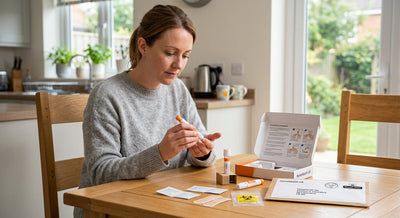
If you collect a finger-prick sample, preparation matters. Warm your hands, drink water and follow the official how to collect your sample guide carefully. Some people find collection difficult, especially if their hands are cold. If you feel faint or uneasy, stop and ask someone to stay with you.
An at-home result is not a replacement for a GP assessment. It can help you arrive informed, take your result with you and support a better conversation about symptoms, risk factors and next steps.
For more athlete-focused context, read the Athlete Blood Tests guide.
Summary: look beyond haemoglobin
Normal haemoglobin does not always mean your iron stores are sufficient.
If you have heavy periods, follow a plant-based diet, train for endurance events or donate blood regularly, ferritin may be worth discussing with your GP, especially if you have tiredness, breathlessness, brain fog, hair shedding or cold hands.
Think of haemoglobin as the delivery fleet and ferritin as the warehouse stock. The fleet can keep moving while the warehouse is quietly running low.
Use testing to gather useful information, not to self-diagnose. Take results and symptoms to your GP for proper clinical interpretation.
Frequently asked questions
Q: Can you have low ferritin with normal haemoglobin? A: Yes. This is called iron deficiency without anaemia. Your stored iron may be low before haemoglobin falls below the laboratory threshold for anaemia.
Q: What ferritin level suggests iron deficiency? A: A ferritin below 30 micrograms per litre is commonly associated with iron deficiency, but laboratory ranges, inflammation and your wider health history matter. Ask your GP to interpret the result.
Q: Are athletes more likely to have low iron stores? A: Some athletes, particularly endurance runners, may have increased iron losses through sweat, training-related processes and foot-strike breakdown of red blood cells. Training load, diet and menstrual or donation history can also contribute.
Author
Vitall Check Editorial Team
The Vitall Check Editorial Team is dedicated to empowering individuals with evidence-based health information and clear, actionable insights. Every article is researched using peer-reviewed journals and official health resources, reflecting our commitment to the same high standards of accuracy as our laboratory testing services. Our goal is to make proactive wellness accessible, data-driven, and transparent.
Disclaimer: Vitall Check is not CQC registered. The content provided is for general information only, does not provide a diagnosis, and does not replace advice from a qualified healthcare professional. Our services do not include treatment, prescription, or medical advice that falls under CQC-regulated activities. Always consult with your GP or a qualified clinician before making significant changes to your healthcare regimen.