If you’re one of the thousands of people in the UK starting GLP-1 therapy for weight loss: drugs like Wegovy (semaglutide) or Mounjaro (tirzepatide): you’ve likely heard about the incredible results. These medications are changing the game for metabolic health. But there’s a quiet side effect that many people miss until they start feeling exhausted, weak, or "foggy": nutrient deficiency.
When you lose weight rapidly and your appetite drops significantly, your body isn't just burning fat. It's also getting fewer of the essential vitamins and minerals it needs to function. Think of your body like a high-performance car; if you suddenly switch to a fuel tank that only fills up halfway, you need to make sure every drop of that fuel is high-grade and packed with the right additives. If it's not, the engine starts to stutter.
TL;DR:
- GLP-1 drugs reduce food intake, which can lead to significant nutrient deficiencies.
- A major 2025 study found that 12.7% of GLP-1 users develop a deficiency within six months.
- Key nutrients to watch include Vitamin D, Vitamin B12, Iron, Magnesium, and Zinc.
- Baseline testing is essential to ensure you aren't starting your journey with a "deficit."
- Periodic monitoring helps you adjust your diet and supplements before symptoms appear.
Why's it important to test nutrients on GLP-1?
GLP-1 medications significantly reduce your appetite and caloric intake, making it harder to get enough essential vitamins and minerals from food alone. Testing before you start: and every six months during therapy: allows you to identify and address deficiencies like B12, Iron, and Vitamin D before they cause symptoms like fatigue, hair loss, or muscle weakness.
Why GLP-1 therapy leads to deficiency
GLP-1 receptor agonists work by mimicking a hormone that tells your brain you're full. They also slow down how quickly your stomach empties. This is great for weight loss, but it creates a "nutritional bottleneck."
Imagine you’re trying to fill a large bucket with water using a tiny funnel. You can only pour so much in at once. If you only eat 1,200 calories a day instead of 2,000, you’ve essentially shrunk the funnel. Unless every bite you take is incredibly nutrient-dense, you’re likely to miss out on the building blocks your body needs.
A landmark study published in Obesity Pillars (and later highlighted by the BMJ) tracked over 460,000 GLP-1 users and found that nearly 1 in 8 developed a new nutritional deficiency within just six months. By the 12-month mark, that number rose to nearly 1 in 4. This isn't just about "feeling a bit tired"; it's a clinical reality of rapid weight loss and reduced intake.

The Big Five: Nutrients to monitor
While your body needs dozens of micronutrients, five stand out as the most likely to drop when you're on GLP-1 therapy.
1. Vitamin D
This is the most common deficiency found in GLP-1 users. The Obesity Pillars study showed that 7.5% of users were deficient after six months, doubling to 13.6% after a year. Vitamin D is fat-soluble, meaning it's stored in your fat cells. As you lose fat, the way your body handles Vitamin D changes. Plus, if you're eating less oily fish or fortified dairy, your levels can plummet. Low Vitamin D doesn't just affect your bones; it can lead to low mood and a weakened immune system.
2. Vitamin B12
If you’ve noticed you’re feeling more sluggish than usual, B12 might be the culprit. Many people on GLP-1 drugs develop a temporary aversion to meat or animal proteins: the primary sources of B12. Furthermore, if you are also taking metformin (a common combination), your risk of B12 deficiency increases even further. Low B12 can lead to a type of anaemia that makes you feel breathless and constantly drained.
3. Iron and Ferritin
Iron is the "oxygen courier" for your blood. When you eat less, you often consume less iron. Women, in particular, are at risk here. In the same large-scale study, over 60% of GLP-1 users were found to be eating less than the recommended daily amount of iron. If your iron stores (ferritin) drop too low, you might experience hair thinning, brittle nails, and "brain fog."
4. Magnesium
Magnesium is involved in over 300 biochemical reactions in your body, including how you process sugar and how your muscles relax. A staggering 89.9% of GLP-1 users in one analysis were found to be below the recommended intake for magnesium. If you’re getting leg cramps at night or feeling unusually anxious, your magnesium levels might be dipping. It’s like the oil in your car’s engine: everything just runs a bit rougher when it’s low.
5. Zinc
Zinc is vital for your immune system and for healing. It also plays a role in your sense of taste. Some people on GLP-1 therapy find that food starts to taste "metallic" or "bland": this can sometimes be linked to low zinc levels. Since zinc is found in many of the same foods as B12 and Iron (like red meat and shellfish), it often drops alongside them.

What to test before you start
Starting GLP-1 therapy without knowing your baseline is like trying to build a house without checking if the ground is level. If you start with a B12 or Vitamin D deficiency, the weight loss process will only make it worse, potentially leading to a "crash" a few months into your journey.
We recommend an "informed arrival" for your weight loss journey. By getting a clinical-grade blood test before your first injection, you can show your GP or weight-loss clinician exactly where you stand. This allows you to supplement correctly from day one.
The Essential Baseline Panel should include:
- Vitamin D (25-OH): To check your baseline stores.
- Vitamin B12 & Folate: To ensure your nerves and blood cells are supported.
- Ferritin (Iron stores): To check if you have enough "backup" iron.
- Full Blood Count (FBC): To look for signs of anaemia.
- Magnesium: To support muscle and metabolic health.
- HbA1c: To track your average blood sugar levels.
For a comprehensive look at these markers, our Full Body Home Test MOT is an excellent place to start. It covers the key nutritional markers and organ function tests that give you a complete picture of your health before you begin therapy.
Monitoring your progress
Once you’re on the medication, the work isn't over. Your body is in a state of rapid change. For many, the first three to six months are when the most dramatic weight loss occurs, and this is also when nutrient levels are most likely to shift.
Think of monitoring like the dashboard on your car. You wouldn't drive from London to Edinburgh without glancing at the fuel gauge or the engine temperature. Periodic testing: ideally every six months while on a stable dose: lets you see if your "fuel" levels are dropping.
If your results show a downward trend, you can work with a nutritionist or your GP to adjust your diet. It's much easier to top up a slightly low B12 level with a small change in diet than it is to recover from a severe deficiency that’s left you bedbound with fatigue.
For those who are very active or training while on GLP-1, our Ultimate Guide to Athlete Blood Tests explains how training load can further impact these biomarkers. Athletes often have higher requirements for minerals like magnesium and zinc, making monitoring even more critical.

How to support your nutrition on GLP-1
While supplements can help, the "food first" approach is always best. Because you are eating less, every calorie needs to "pay its way" in nutrients.
- Prioritise Protein: Aim for lean protein at every meal: chicken, fish, tofu, or eggs. This helps protect your muscle mass as you lose fat.
- Colour Your Plate: Even if you can only eat a small amount, make sure it includes a variety of vegetables to get a broad range of phytonutrients.
- Stay Hydrated: GLP-1 drugs can sometimes affect your thirst signals. Drinking plenty of water helps your kidneys process the waste products of fat breakdown.
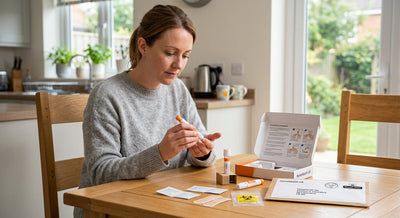
- Follow the Guide: If you are using an at-home kit to monitor your levels, always follow the official sample collection guide to ensure your results are as accurate as possible.
Summary
GLP-1 medications are a powerful tool for weight loss, but they require a proactive approach to nutrition. By testing your nutrient levels before you start and monitoring them as you progress, you can ensure that your weight loss journey is healthy, sustainable, and leaves you feeling your best.
Don't wait for symptoms like hair loss or extreme fatigue to tell you something is wrong. Get the data you need to stay ahead of the curve. Whether you are an athlete or a busy professional, knowing your numbers is the first step toward a successful transformation.
FAQ
Q: Can I just take a multivitamin instead of testing?
A: While a multivitamin is a good safety net, it doesn't replace testing. Some deficiencies, like Vitamin D or B12, may require much higher doses than a standard multivitamin provides. Testing tells you exactly what you need, rather than guessing.
Q: Will the NHS test my nutrients if I'm on a private GLP-1 prescription?
A: It depends on your GP, but many people find it difficult to get comprehensive nutritional screening on the NHS unless they already have symptoms of deficiency. At-home testing allows you to get clinical-grade data quickly, which you can then take to your GP for a more informed conversation.
Q: How often should I test while taking Wegovy or Mounjaro?
A: Most experts recommend a baseline test before starting, followed by a check-up at the 6-month mark. If you are losing weight very rapidly or feeling unusually tired, you might choose to test more frequently.
Author: Vitall Check Editorial Team
The Vitall Check Editorial Team is dedicated to empowering individuals with evidence-based health information and clear, actionable insights. Every article is researched using peer-reviewed journals and official health resources, reflecting our commitment to the same high standards of accuracy as our laboratory testing services. Our goal is to make proactive wellness accessible, data-driven, and transparent.
Disclaimer: Vitall Check is not CQC registered. The content provided is for general information only, does not provide a diagnosis, and does not replace advice from a qualified healthcare professional. Our services do not include treatment, prescription, or medical advice that falls under CQC-regulated activities. Always consult with your GP or a qualified clinician before making significant changes to your healthcare regimen.