Creatine used to be seen as a bodybuilding supplement. Now, more women are asking a better question: what could creatine add to my health, training and everyday energy?
The answer is not a miracle powder. Creatine is a naturally occurring compound that helps your cells recycle energy quickly. It may support strength, repeated high-intensity efforts and muscle function. Research is also exploring possible links with memory, mental fatigue, menstrual-cycle changes and healthy ageing.
But there is another part of the story: your health markers.
Blood testing cannot measure your muscle creatine stores directly. It can, however, provide useful context about kidney function, muscle stress, iron status, hormones, thyroid health and other factors that may influence how you feel and train.
TL;DR:
- Creatine helps your muscles and brain recycle energy during demanding tasks.
- Women may use creatine for strength, repeated efforts, recovery and general wellness.
- Evidence for cognition, menstrual-cycle support and bone health is promising but still developing.
- Creatine can affect creatinine, a blood marker used when assessing kidney function.
- Read creatinine alongside eGFR, urea, hydration and your wider health picture.
- Use lab-verified results to prepare for a better GP conversation, not to self-diagnose.
What's creatine good for women? Creatine may support strength, lean tissue, repeated high-intensity exercise and cellular energy. Early research also suggests possible benefits for cognition, mental fatigue and healthy ageing, although results vary and more women-specific research is needed.
What is creatine, and why are women interested?
Creatine is made naturally in your body and is also found in foods such as meat and fish. Most of it is stored in skeletal muscle, where it helps produce ATP : the quick-use energy currency your cells rely on.
Think of ATP as the cash in your wallet during a hard set of squats. Creatine helps you refill that wallet quickly, so you may be able to repeat short, demanding efforts before fatigue takes over.
A 2021 review focused on women’s health found that creatine research applies across different life stages, including the menstrual cycle, pregnancy, post-partum, menopause and later life. It also noted that women have been under-represented in creatine studies, which means headlines should be treated with some caution. Read the full review on creatine supplementation in women’s health.
Interest is growing because women are looking beyond appearance-based fitness goals. The Data-Driven Patient wants to know:
- Will this supplement fit my training?
- Could it affect my body weight?
- What happens if I follow a vegetarian or vegan diet?
- Is it suitable during perimenopause?
- Could it change my blood test results?
Those are sensible questions. Creatine deserves a sensible answer.
What are the main creatine benefits for women?
Strength and repeated high-intensity exercise
The strongest case for creatine is support for short, intense efforts. This includes resistance training, sprinting, jumping and repeated intervals.
It is less convincing as a direct endurance supplement. If your main activity is a steady five-mile run, creatine may not suddenly make your pace faster. If your training involves repeated bursts, heavy lifts or short recovery periods, the energy system creatine supports is more relevant.
Women-specific studies have reported improvements in strength and power, but not every trial has found an extra benefit compared with training alone. Your starting diet, muscle creatine stores, training plan and individual response all matter.
Creatine is more like a spare battery than a new engine. It can support the work you are already doing, but it cannot replace a well-planned training routine, enough food or proper recovery.
Muscle health through midlife and beyond
Muscle strength matters well beyond the gym. It supports everyday movement, balance and independence as you age.
Research in older women has found some improvements in strength and lean tissue when creatine is combined with resistance training. Findings on bone density are more mixed. Creatine should not be presented as a treatment for bone disease, and it is not a replacement for medical follow-up, strength training or advice about calcium and vitamin D.
If you are approaching menopause or are already post-menopausal, blood markers may help add context. For example, a broader panel can show iron status, vitamin D, thyroid markers, kidney markers and selected hormones. These results do not explain every symptom, but they can help you arrive at your next GP appointment with clearer information.
You can explore Vitall Check’s Women’s Health collection if you want to compare panels designed around female health goals.
Brain energy, memory and mental fatigue
Your brain also uses creatine. That is why researchers are studying possible effects on memory and mental fatigue.
A systematic review and meta-analysis found a small overall improvement in memory measures, with stronger findings in older adults. However, the studies varied in dose, age and testing methods. The authors also highlighted differences in study quality. Read the memory research.
This does not mean creatine will fix brain fog or replace assessment for ongoing symptoms. It simply suggests that the creatine system is relevant to more than muscle.
Which health markers add useful context?
Creatine is often confused with three related terms: creatine, creatinine and creatine kinase. They are not the same thing.
Creatinine and eGFR
Creatinine is a waste product formed partly from creatine metabolism. Your kidneys remove it from your blood.
A creatine supplement may increase creatinine without showing that your kidneys are being damaged. Muscle mass, hydration, recent exercise and diet can also influence the result.
That is why you should not treat one creatinine result as a verdict. eGFR is calculated using creatinine, but it also has limits. Your GP may consider repeat testing, your medical history, medication, urine tests and other information.
A 2020 systematic review of creatine studies in women found no significant difference in renal or liver function measures between creatine and placebo groups. It also found no significant increase in overall adverse events. The review included relatively small studies, so it supports reassurance : not a licence to ignore symptoms or risk factors. Read the female safety review.
Vitall Check panels may include creatinine, eGFR and urea. If you take creatine, record the product, dose and start date. Share that information with your GP before discussing your results.
Creatine kinase and training load
Creatine kinase, often shortened to CK, is an enzyme released when muscle cells are stressed or damaged.
A hard workout can temporarily raise CK. So can a new training programme, a long run or an unusually intense session. This is why Vitall Check advises avoiding heavy exercise before sampling.
For an athlete, CK is a bit like checking the amount of sawdust after a DIY project. Some tells you that work happened. A large or persistent amount needs more context.
Read CK alongside muscle soreness, weakness, injury, illness and your training history. Do not use it alone to decide whether you are “overtrained”.
Iron, B12 and vitamin D
Creatine cannot correct low iron, vitamin B12 or vitamin D. However, these markers can matter when you are assessing energy, recovery and training tolerance.
Ferritin shows stored iron. It can be relevant for women with heavy periods, endurance athletes and people following plant-based diets. Haemoglobin and red-cell markers add another part of the picture.
This is where a broader Complete Health & Performance Blood Test may be useful for an informed discussion. It brings several health systems together rather than leaving you with one isolated number.

How can creatine fit into a performance and wellness routine?
Research commonly uses creatine monohydrate. A typical maintenance amount studied in healthy adults is around 3–5 g daily, without a loading phase. A loading phase is not essential, and using a smaller daily amount may be easier if you are concerned about stomach upset or temporary changes in body weight.
Take it consistently if you choose to use it. Timing around your workout is less important than remembering it. Mixing it with a normal meal can make the habit easier.
You may notice a small change in body weight during the early stages. This is linked to water held within muscle cells, not automatically body fat. It may matter if you compete in a weight-class sport or monitor body weight closely.
Do not start creatine during pregnancy or breastfeeding without direct advice from your GP, midwife or another qualified clinician. Speak with a clinician first if you have kidney disease, liver disease, take regular medication or have a complex health condition.
Before using any supplement:
- ✅ Check the ingredient list and serving size.
- ✅ Choose a product with clear quality information.
- ✅ Keep a record of when you started.
- ✅ Tell your GP before a blood test.
- ✅ Do not change prescribed treatment based on an online article.
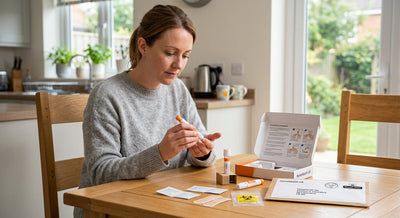
If you are arranging an at-home blood test, follow the official Vitall Check sampling guide. Warm your hands, drink water, follow the panel instructions and avoid heavy exercise beforehand. Finger-prick collection is convenient, but some people find it challenging. If you struggle, contact the provider rather than forcing the sample.
What should you do with your results?
Use your results as a starting point for a better conversation.
Vitall Check uses UKAS-accredited partner laboratories and provides an Insight Report that translates raw data into plain English. It is a manual for understanding what a result means within its stated clinical reference range. It is not a diagnosis or a judgement on whether your result is “good enough”.
Take your report to your GP if a result is outside the reference range, changes noticeably over time or concerns you. Mention creatine use, recent training, hydration, medications, menstrual-cycle stage and any symptoms.
For a more focused training panel, you can also review the Performance Monitor blood test. If your main questions are hormonal, our complete guide to women’s hormone testing explains why timing and life stage matter.

Summary: creatine benefits for women, with context
Creatine may support strength, repeated high-intensity exercise and muscle function. It may also have a role in brain energy and healthy ageing, but evidence for cognition, menstrual symptoms and bone health is still developing.
The most useful blood-test insight is often not a creatine level. It is the surrounding context:
- Creatinine and eGFR: kidney-related markers that may need careful interpretation when you use creatine.
- CK: a marker that can rise after hard training.
- Ferritin and haemoglobin: relevant to iron status and oxygen transport.
- Vitamin B12 and vitamin D: useful nutritional context.
- Hormones and thyroid markers: potentially relevant to life stage, cycle changes and symptoms.
Use the numbers as signposts, not as a diagnosis. The goal is an informed arrival at your next GP appointment.
FAQ
Q: Is creatine safe for women? A: Research in healthy, non-pregnant women is generally reassuring, but side effects and suitability vary. Speak with your GP first if you have kidney disease, take medication or have another health condition.
Q: Can creatine raise creatinine levels? A: It can. Creatinine may rise because it is linked to creatine metabolism, but a single change does not prove kidney damage. Your GP should interpret creatinine alongside eGFR, other tests and your medical history.
Q: Should women take creatine during pregnancy or breastfeeding? A: Do not start creatine during pregnancy or breastfeeding without direct advice from a qualified healthcare professional, because human safety evidence remains limited.
Vitall Check Editorial Team
The Vitall Check Editorial Team is dedicated to empowering individuals with evidence-based health information and clear, actionable insights. Every article is researched using peer-reviewed journals and official health resources, reflecting our commitment to the same high standards of accuracy as our laboratory testing services. Our goal is to make proactive wellness accessible, data-driven, and transparent.
Disclaimer: Vitall Check is not CQC registered. The content provided is for general information only, does not provide a diagnosis, and does not replace advice from a qualified healthcare professional. Our services do not include treatment, prescription, or medical advice that falls under CQC-regulated activities. Always consult with your GP or a qualified clinician before making significant changes to your healthcare regimen.