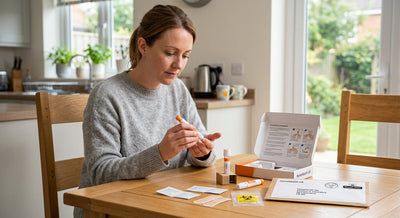
Starting a weight-loss plan is not just about the number on the scales. If you are considering weight-management medicine, a very low-calorie diet or structured support, it helps to know where your health stands first.
A baseline blood test gives you a starting point. It can help you and your GP understand your blood sugar, cholesterol, liver function, kidney function and other markers before anything changes.
Think of it like taking a photo before a long journey. The photo does not tell you everything about the trip, but it gives you something useful to compare later.
TL;DR:
- A blood test before weight-loss treatment can provide useful baseline information.
- The markers often considered include HbA1c, blood glucose, cholesterol, liver function, kidney function and thyroid function.
- Full blood count and selected nutrient markers may also be useful, depending on your history.
- Blood tests do not replace checks such as blood pressure, BMI, waist measurement, medication review or a clinical assessment.
- At-home testing can help you arrive informed for your next GP appointment, but it does not diagnose, prescribe or decide whether treatment is suitable.
- Repeat testing should follow your GP’s or prescriber’s monitoring plan.
What blood test should you have before starting weight-loss treatment? A baseline assessment may include HbA1c and blood glucose, a full lipid profile, liver and kidney function, and thyroid tests, with other markers added according to your medical history and treatment plan.
Why have a blood test before weight-loss treatment?
Weight loss can affect several body systems. Weight-management medicines can also change appetite, digestion and blood glucose. That makes a starting point useful.
The NICE guide to prescribing medicines for overweight and obesity says an initial assessment may include blood pressure, a lipid profile, HbA1c, blood glucose and other investigations guided by your history and examination. These may include kidney, liver, full blood count and thyroid function tests.
That does not mean everyone needs every available test. A sensible panel should match your situation.
Your age, symptoms, medicines, family history, ethnic background, existing conditions and the type of treatment being considered all matter. NICE also recommends a person-centred approach to weight management, with attention to physical health, mental health, eating disorders, social circumstances and previous experiences of weight-related care.
A blood test is one piece of the puzzle. It is not the whole puzzle.
Which baseline markers matter before weight loss?
1. HbA1c and blood glucose
HbA1c gives an overview of your average blood sugar over recent weeks. Blood glucose gives a reading at a particular point in time.
Together, they can help identify whether your blood sugar needs further discussion. This matters because weight-management medicines can affect glucose levels, particularly if you already have diabetes or take medicines that lower blood sugar.
The NHS explains how type 2 diabetes is diagnosed using blood tests. It also points out that not everyone with type 2 diabetes has clear symptoms.
A baseline result gives your GP something to compare with later. It is similar to checking the fuel gauge before setting off rather than guessing how much is in the tank.
Important: If you have diabetes and are considering weight-loss medicine, speak to your diabetes team or GP before making changes. Your medicines may need clinical review.
2. Cholesterol and triglycerides
A full lipid profile usually looks at several types of blood fat, including total cholesterol, HDL cholesterol, LDL cholesterol and triglycerides.
These markers help your clinician assess cardiovascular risk alongside other information, such as blood pressure, smoking history, age and family history. Weight change and dietary change may affect your results over time, so a baseline can make trends easier to understand.
The NHS guidance on cholesterol testing explains that high cholesterol usually causes no symptoms and can only be identified through a blood test.
Do not judge one cholesterol result in isolation. It is more like reading one chapter of a book. Your GP needs the surrounding chapters before deciding what it means for you.
3. Liver function
Liver markers such as ALT, AST, GGT, ALP, bilirubin and albumin may be considered as part of a wider baseline assessment.
This is relevant because fatty liver disease is linked with metabolic health and may cause no obvious symptoms. The NHS information on non-alcoholic fatty liver disease, also called MASLD, explains that it is often found when blood tests or scans are carried out for another reason.
Liver results can also be influenced by alcohol, medicines, recent illness and strenuous exercise. A raised result does not automatically tell you the cause.
If a result sits outside the laboratory reference range, take it to your GP. Further blood tests, a medication review or imaging may be needed. An at-home report cannot provide that full clinical assessment.
4. Kidney function
Kidney markers can include creatinine, urea, electrolytes and eGFR. They help show how your kidneys are filtering waste and managing fluid balance.
This is particularly relevant if you have kidney disease, high blood pressure, diabetes or take regular medicines. It also matters if treatment causes ongoing vomiting or diarrhoea, because dehydration can become serious.
A kidney result is not a simple pass-or-fail score. Creatinine can be affected by muscle mass, hydration and recent exercise. If you lift weights or train hard, tell your GP. Context matters.
5. Thyroid function
An underactive thyroid can cause symptoms such as tiredness, feeling cold, constipation and weight gain. It is not the only possible cause of these symptoms, but it is one reason thyroid function may be checked.
The NHS explains that thyroid blood tests usually include TSH and thyroxine, known as T4.
Thyroid testing is not a shortcut to explaining every change in weight. Your GP may also consider symptoms, examination findings, medicines and previous results.
If you take thyroid medication, do not change the dose based on an at-home result. Discuss it with your GP or prescribing clinician.
6. Full blood count and selected nutrient markers
A full blood count can provide information about red blood cells, haemoglobin, white blood cells and platelets. Depending on your history, a clinician may also consider ferritin, vitamin B12, folate or vitamin D.
These tests may be relevant if you have heavy periods, follow a restricted diet, have digestive problems or have symptoms such as persistent tiredness. They can also be useful if your food intake changes significantly during a weight-management programme.
However, more testing is not automatically better. A long list of numbers can create noise rather than clarity. Choose markers that answer a useful question.

What should you monitor alongside blood tests?
Blood results are important, but they cannot measure everything.
A proper weight-management assessment may also include:
- Weight and height: used to calculate BMI, with appropriate caution.
- Waist measurement: useful for understanding central fat distribution in many adults.
- Blood pressure: important for cardiovascular risk.
- Medical history: including diabetes, heart disease, kidney disease, liver disease and thyroid conditions.
- Medication review: some medicines can affect weight, appetite or blood glucose.
- Pregnancy plans: some weight-management medicines are not recommended during pregnancy.
- Mental health and eating behaviour: restrictive diets and weight-focused treatment are not suitable for everyone.
- Symptoms and physical examination: these cannot be replaced by a blood panel.
The NICE guideline on overweight and obesity management recommends looking at the wider context rather than treating weight as an isolated issue. It also says that comorbidities, meaning related health conditions, should be addressed when they are identified.
This is why an at-home blood test should be viewed as an informed arrival tool. It can help you bring clearer information to your next GP conversation. It is not a replacement for clinical care.
Can an at-home blood test be used as a baseline?
Sometimes, yes. It depends on the markers needed, the quality of the sample and the requirements of your GP or treatment provider.
Vitall Check samples are processed by UKAS-accredited laboratories using NHS-grade laboratory standards. Results are provided through a secure portal with an Insight Report that translates raw data into plain English and shows where results sit against the laboratory’s clinical reference ranges.
The Complete Health & Performance Blood Test includes markers across blood sugar, cholesterol, liver, kidney, thyroid, blood count and nutrient categories. It may be useful for someone who wants a broad starting picture before discussing weight-management options with a GP.
If you need a more focused panel, the Female Metabolic & Hormonal Health Panel includes blood sugar, lipid, liver, kidney, thyroid, hormone and selected nutrient markers.
Your prescriber may still request separate tests. Some treatments need clinical measurements, a venous blood draw or information that an at-home panel cannot provide.
How to prepare for an at-home blood test
Preparation affects sample quality. Follow the official Vitall Check sample collection guide before collecting your sample.
Before you collect
- Drink water: Hydration can make collection easier.
- Check whether fasting is required: Follow the instructions supplied with your panel.
- Avoid alcohol beforehand: It may affect some results.
- Avoid intense exercise: Heavy training can temporarily affect certain markers.
- Take medicines as prescribed: Do not stop medication unless your clinician tells you to.
- Check supplements: High-dose biotin can interfere with some thyroid and hormone tests. Follow the kit guidance and ask a clinician if you are unsure.
- Warm your hands: Cold fingers can make collection more difficult.
Finger-prick sampling is convenient, but it is not effortless for everyone. Some people find it hard to collect enough blood. That is normal. Warm your hands, keep your arm below heart level and use the spare lancet only as instructed.
Do not squeeze aggressively. This can affect the sample. If you feel faint or uneasy, stop, sit or lie down and ask someone to stay with you.
A failed sample does not mean you have done anything wrong. Contact the provider for help and follow its replacement process.

How often should you repeat blood tests?
There is no single testing timetable for everyone.
Your GP or prescribing service should decide what to monitor and when. The timing may depend on:
- the medicine and dose
- whether you have diabetes
- your kidney or liver function
- symptoms or side effects
- how quickly your weight is changing
- your dietary intake
- other medicines you take
- your previous results
Use the same laboratory and similar preparation conditions where possible. This makes trends easier to compare. It is like weighing ingredients with the same set of scales each time: the comparison becomes more useful.
Do not repeatedly test yourself to chase small changes. A result outside the reference range needs clinical context. A result within range does not prove that every aspect of your health is fine.
⚠️ When should you speak to a GP first?
Arrange a GP conversation before starting a weight-loss treatment plan if you:
- have diabetes or take blood-sugar-lowering medicine
- have kidney, liver, heart or thyroid disease
- are pregnant, breastfeeding or planning pregnancy
- take regular prescription medicines
- have unexplained weight loss
- have persistent vomiting, severe abdominal pain or signs of dehydration
- have a history of an eating disorder or disordered eating
- are under 18 and are considering weight-management treatment
- have blood results outside the laboratory reference range
Seek urgent medical help for severe or sudden symptoms. Do not wait for an at-home test result.
The limits of a blood test for weight loss
A blood test can show useful information, but it cannot:
- diagnose the cause of weight gain
- decide whether a medicine is suitable
- prescribe or adjust treatment
- measure blood pressure or waist circumference
- assess eating behaviour or mental health
- check every possible cause of weight change
- replace a physical examination
- confirm that a treatment is safe for you
The best use of a baseline blood test is simple: collect useful information, understand what it means in plain English and take it to a qualified clinician.
Summary: use your baseline to arrive informed
A blood test before weight-loss treatment can give you a clearer starting point. HbA1c, blood glucose, cholesterol, liver function, kidney function and thyroid function are commonly considered, while full blood count and nutrient markers may be added when relevant.
At-home testing can make information easier to collect and understand. Vitall Check results are processed by UKAS-accredited laboratories and presented with an Insight Report that translates laboratory data into clear explanations.
Use the report to support a better GP conversation. Do not use it to self-diagnose or change medicines without clinical guidance.
FAQ
Q: Do I need a blood test before starting weight-loss injections? A: It is sensible to discuss baseline checks with your GP or prescribing service. Depending on your health and treatment, this may include blood sugar, cholesterol, liver, kidney and thyroid tests, alongside other clinical assessments.
Q: Can an at-home blood test replace a GP assessment for weight loss? A: No. It can provide useful laboratory information and support an informed arrival at your GP appointment, but it does not replace medical history, examination, blood pressure checks, medication review or prescribing decisions.
Q: How soon should I repeat a blood test after starting weight-loss treatment? A: Follow the schedule set by your GP or prescribing clinician. The timing depends on the treatment, your existing conditions, medicines, symptoms and baseline results.
Author
Vitall Check Editorial Team
The Vitall Check Editorial Team is dedicated to empowering individuals with evidence-based health information and clear, actionable insights. Every article is researched using peer-reviewed journals and official health resources, reflecting our commitment to the same high standards of accuracy as our laboratory testing services. Our goal is to make proactive wellness accessible, data-driven, and transparent.
Disclaimer: Vitall Check is not CQC registered. The content provided is for general information only, does not provide a diagnosis, and does not replace advice from a qualified healthcare professional. Our services do not include treatment, prescription, or medical advice that falls under CQC-regulated activities. Always consult with your GP or a qualified clinician before making significant changes to your healthcare regimen.