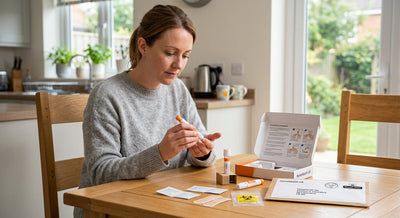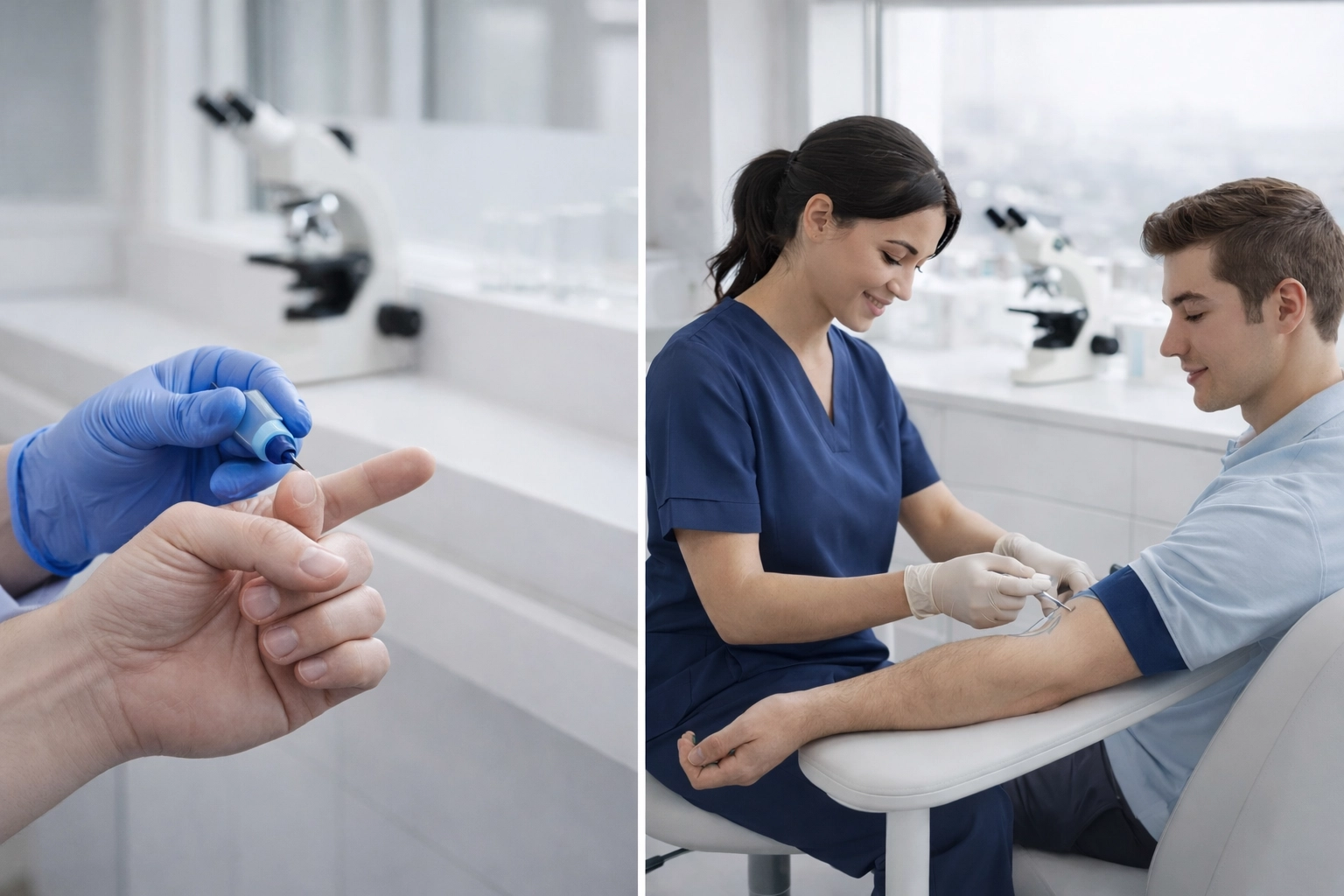
How accurate is a testosterone testing kit? Venous testosterone testing kits using NHS-grade, UKAS-accredited laboratories deliver clinical-grade accuracy comparable to hospital pathology services. Finger-prick tests, whilst convenient, exhibit 3–8 times greater variability in results due to smaller sample volumes, potential capillary damage during collection, and higher contamination risk: making them suitable for screening rather than diagnostic assessment.
Why Collection Method Matters More Than You Think
If you're a personal trainer, sports therapist, or wellness professional working with clients who want to optimise performance, you've probably encountered this scenario: Client orders a testosterone test online, gets a result that looks off, panics, and now you're fielding questions about whether they need TRT.
Here's the reality: not all testosterone testing kits are created equal. The collection method: finger-prick versus venous, fundamentally changes what you're measuring, how reliably you're measuring it, and whether those numbers are worth the paper they're printed on.
Let's cut through the marketing fluff and examine what actually happens at the laboratory level.
The Gold Standard: Venous Collection
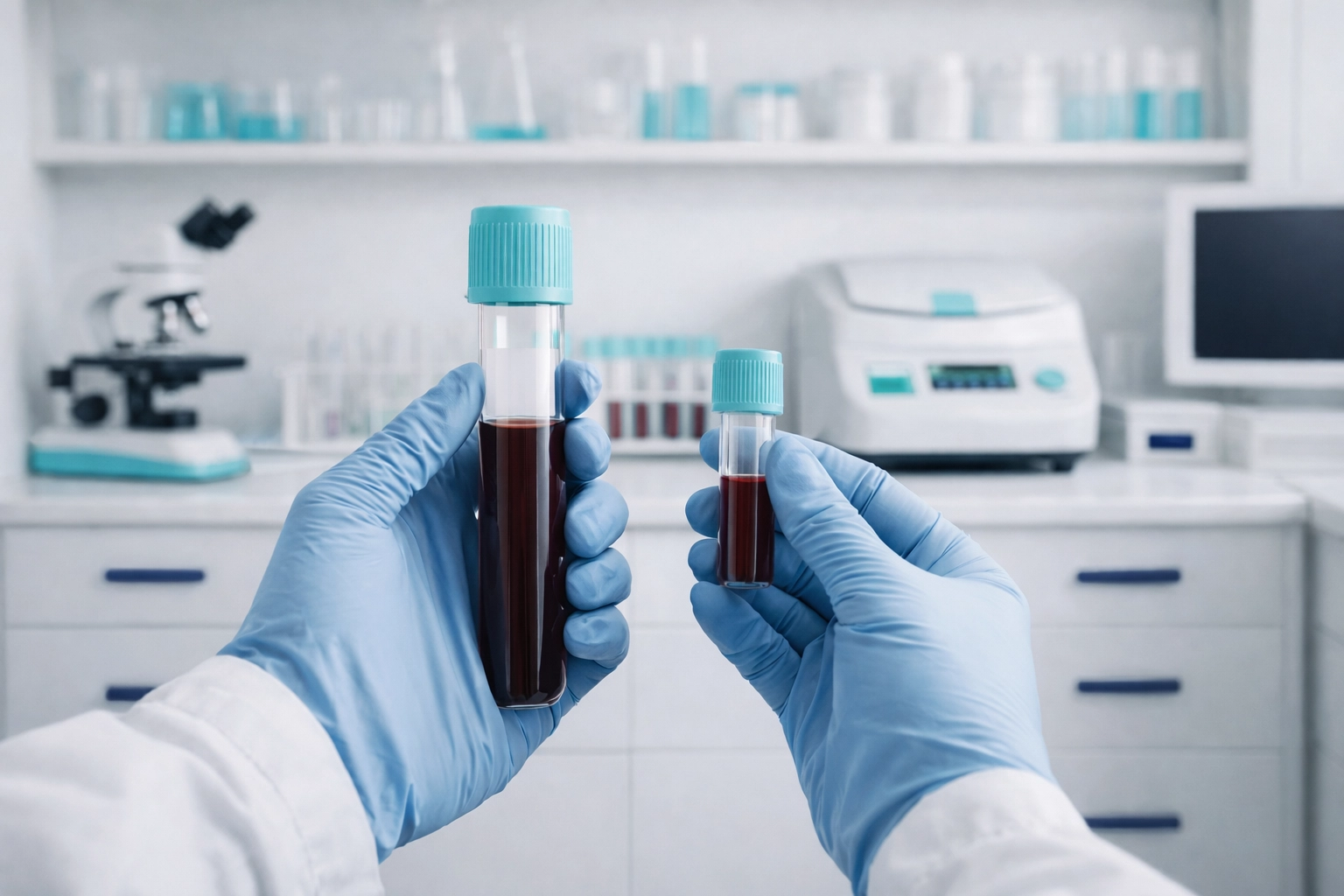
Venous blood collection, where a trained phlebotomist draws blood from your arm using a needle and vacutainer, remains the NHS pathology standard for diagnostic testosterone testing. There's a reason hospitals don't ask you to prick your finger for endocrine workups.
Sample Volume Matters
A venous draw collects 10–20ml of blood (roughly 2–4 teaspoons). Compare that to the few drops you squeeze from a fingertip during capillary collection. This larger volume allows laboratories to:
- Run comprehensive hormone panels without sample limitation
- Repeat analysis if initial results are borderline or technically flagged
- Perform dilution studies for extremely high or low values
- Maintain quality control protocols that require sufficient sample volume
Accuracy and Precision
Studies consistently show venous sampling delivers tighter reference intervals and lower coefficients of variation. Research published in Clinical Chemistry demonstrates that capillary samples: especially when improperly collected: can show three to eight times more variability than venous blood for key biomarkers including total testosterone.
Why? The process of "milking" capillaries to extract blood damages fragile red blood cells (haemolysis), dilutes the sample with interstitial fluid, and increases the risk of micro-clotting before the sample reaches the laboratory. All of these factors interfere with accurate immunoassay testing.
When Venous Collection Is Non-Negotiable
- Clients using topical testosterone creams or gels: Residue on fingertips will artificially inflate finger-prick results, rendering them clinically meaningless.
- Baseline diagnostic assessment: Before recommending lifestyle interventions or referring clients to endocrinology, you need diagnostic-grade data.
- Legal or occupational testing: Sports governing bodies and medical tribunals require venous confirmation.
- Comprehensive hormone panels: Testing testosterone alongside SHBG, free testosterone, oestradiol, LH, and FSH requires adequate sample volume.

The Trade-Off: Finger-Prick Convenience
Finger-prick testing has carved out a legitimate niche, but it's critical to understand what you're sacrificing for convenience.
The Practical Appeal
- No clinic visit required: Clients collect samples at home and post them to the laboratory.
- Lower threshold for testing frequency: Monitoring trends over time becomes more accessible when clients aren't booking phlebotomy appointments every quarter.
- Needle aversion: Some clients genuinely struggle with venepuncture; capillary collection offers a psychologically easier alternative.
- Cost: Finger-prick tests typically range from £33.95 to £62.74, compared to £80–150 for venous testing with professional collection.
The Accuracy Reality Check
Here's what the data actually shows: finger-prick testosterone tests work well enough for screening and trend monitoring, but they're not interchangeable with diagnostic venous testing.
Sample failure rates run higher due to:
- Insufficient sample volume (clients don't collect enough blood)
- Rapid micro-clotting before plasma separation
- Contamination from skin surface oils or topical products
- Haemolysis from excessive squeezing
If a finger-prick test flags low testosterone, best practice dictates confirming with a venous draw before clinical decisions or specialist referral.
Collection Technique Is Everything
The single biggest variable in finger-prick accuracy? User technique. Clients who don't warm their hands, hydrate properly, or follow collection instructions meticulously will produce unreliable samples.
Always direct clients to follow the official sample collection guide step-by-step. This isn't about being patronising: it's about ensuring the £50 they've spent actually produces usable data.
NHS-Grade Laboratories and 48-Hour Results
Whether you opt for finger-prick or venous collection, the laboratory processing your sample determines result quality far more than the collection method alone.
UKAS Accreditation Matters
Vitall Check uses UKAS-accredited laboratories that meet ISO 15189 standards: the same accreditation framework governing NHS hospital pathology departments. This means:
- Validated assay methods with established reference ranges
- Regular proficiency testing and quality assurance
- Standardised pre-analytical and analytical procedures
- Traceability to international measurement standards
Turnaround Time
Most testosterone tests processed through UKAS-accredited labs deliver results within 48 hours of sample receipt. For wellness professionals managing multiple clients, this rapid turnaround enables responsive programme adjustments without the multi-week delays common in NHS GP referrals.
Clinical Decision Framework: Which Method When?
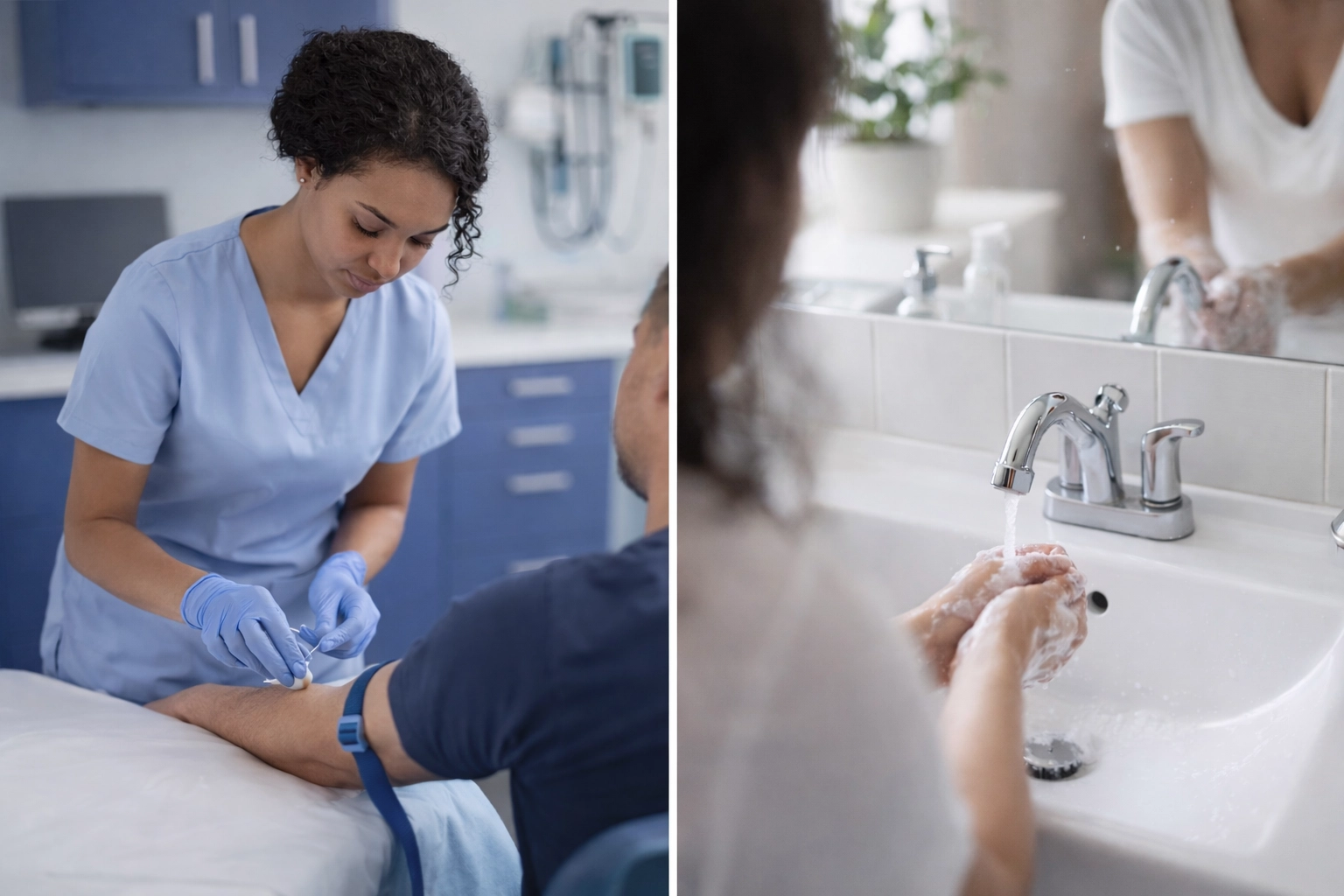
Use this framework to guide collection method selection:
Choose Venous Collection For:
- Initial diagnostic baseline in clients with symptoms (fatigue, low libido, decreased muscle mass)
- Confirmation of abnormal finger-prick results
- Clients using any topical testosterone products
- Comprehensive hormone panels requiring SHBG, free testosterone calculation, and gonadotropin assessment
- Pre-referral workups before endocrinology consultation
Choose Finger-Prick Collection For:
- Quarterly trend monitoring in established clients with known normal ranges
- Screening in asymptomatic clients curious about baseline status
- Clients with severe needle phobia after appropriate informed consent about the accuracy limitations
- Budget-conscious clients willing to accept screening-level accuracy
Performance Testing for Athletes
For fitness professionals working with competitive athletes, consider venous collection for performance blood testing panels. Athletic governing bodies increasingly require venous confirmation for hormonal assessment, and the tighter reference intervals help distinguish true physiological changes from assay variability.
The Professional Partnership Advantage
If you're regularly ordering testing for clients, Vitall Check's Wellness Pro Partnership programme streamlines the process with practitioner-focused support, bulk ordering options, and direct access to a laboratory liaison for borderline results interpretation.
This isn't about replacing GP care: it's about empowering you to gather objective data that informs your coaching, justifies lifestyle interventions, and identifies when medical referral is appropriate.
Important Regulatory Context
CQC Registration Disclaimer: Vitall Check is not registered with the Care Quality Commission (CQC). We provide access to UKAS-accredited laboratory testing services but do not diagnose, treat, prescribe medication, or provide medical advice. All test results should be reviewed with a qualified healthcare professional. If you have symptoms or health concerns, consult your GP.
This content is for general information purposes only and does not constitute medical advice or replace consultation with a qualified healthcare professional.

Author
Vitall Check Editorial Team
The Vitall Check Editorial Team is dedicated to empowering individuals with evidence-based health information and clear, actionable insights. Every article is researched using peer-reviewed journals and official health resources, reflecting our commitment to the same high standards of accuracy as our laboratory testing services. Our goal is to make proactive wellness accessible, data-driven, and transparent.
Frequently Asked Questions
Can I use a finger-prick test if I'm on TRT or using testosterone gel?
No. Topical testosterone residue on your fingertips will contaminate the sample and produce falsely elevated results. Venous collection is essential for anyone using transdermal testosterone products.
How do I know if my testosterone test kit uses a proper laboratory?
Look for UKAS accreditation (ISO 15189) and check whether the laboratory operates to the same standards as NHS pathology services. Avoid kits that don't disclose their laboratory partner or accreditation status.
Should I test testosterone in the morning?
Yes. Testosterone levels peak in the early morning (typically 7:00–10:00 am) and decline throughout the day. For consistency and to align with clinical reference ranges, collect samples before 11:00 am.
What's the difference between total and free testosterone?
Total testosterone measures all testosterone in your blood, including the 98% bound to proteins (SHBG and albumin). Free testosterone measures the 2% that's unbound and biologically active. Both markers provide valuable information, which is why comprehensive hormone testing panels measure both alongside SHBG for calculated free testosterone.
Can I order testosterone testing without a GP referral?
Yes. Direct-access testing allows you to order a testosterone assessment without a GP referral. However, abnormal results should always be reviewed with a qualified healthcare professional who can interpret them in the context of your full medical history.
The Bottom Line
Venous collection remains the clinical gold standard for testosterone testing when diagnostic accuracy matters. Finger-prick testing offers legitimate value for screening and trend monitoring, but only when clients understand the accuracy limitations and follow collection protocols meticulously.
For wellness professionals building evidence-based practice, choosing the right collection method for each client scenario demonstrates clinical sophistication. Your clients aren't paying for convenience: they're paying for actionable insights that drive results. Make sure the data you're relying on deserves that trust.
The testing method you choose today shapes the recommendations you make tomorrow. Choose accordingly.