

Testosterone Home Test UK: How to Monitor Hormonal Health from Home
A testosterone home test UK allows you to measure your testosterone levels using a simple finger-prick blood sample collected at home. The sample is sent to an accredited laboratory via prepaid post, with results typically available online within 2-5 days. Home testing kits measure total testosterone (and sometimes free testosterone) without requiring a GP appointment or clinic visit, offering a private and convenient way to monitor hormonal health.
Why Testosterone Matters Beyond Muscle
When most people think about testosterone, they picture bodybuilders and gym culture. But this hormone plays a far more complex role in your overall health, influencing everything from your mental clarity to your cardiovascular system.
Testosterone isn't just about physical strength. It directly affects mood regulation, helping to maintain emotional stability and reduce the risk of depression. Low testosterone has been linked to increased anxiety, irritability, and difficulty concentrating. According to the Society for Endocrinology, testosterone also plays a crucial role in maintaining bone density, red blood cell production, and fat distribution throughout your body.
Your energy levels are closely tied to testosterone production. That afternoon slump or persistent fatigue you've been brushing off? It could be hormonal. Testosterone influences how efficiently your body converts food into usable energy and affects your metabolic rate, which is why low testosterone often correlates with unexplained weight gain, particularly around the midsection.

Libido is perhaps the most well-known connection, but it's worth understanding that sexual health goes beyond desire. Testosterone affects erectile function, sperm production, and overall reproductive health. The NHS recognises that testosterone decline can significantly impact quality of life, affecting relationships and self-confidence.
Long-term metabolic health is increasingly being linked to testosterone levels. Research published in medical journals suggests that maintaining healthy testosterone levels may support cardiovascular health, insulin sensitivity, and healthy ageing. It's not about chasing superhuman performance; it's about maintaining the hormonal balance your body needs to function optimally.
When Should You Consider Testing? Recognising the Symptoms
Low testosterone (often called "Low T") develops gradually, which is why many men dismiss early symptoms as simply "getting older." But age alone shouldn't be an excuse for feeling persistently unwell.
Consider a testosterone home test if you're experiencing:
- Persistent fatigue that isn't resolved by adequate sleep or rest
- Reduced libido or difficulty maintaining sexual function
- Mood changes, including irritability, low motivation, or depressive symptoms
- Loss of muscle mass despite regular exercise, or difficulty building strength
- Increased body fat, particularly around the abdomen
- Brain fog or difficulty concentrating on tasks that once felt manageable
- Sleep disturbances or reduced sleep quality
- Hair thinning or loss, particularly facial and body hair
It's important to note that these symptoms can overlap with other health conditions, including thyroid disorders, vitamin deficiencies, and sleep apnoea. That's why testing provides valuable data rather than guessing based on symptoms alone.
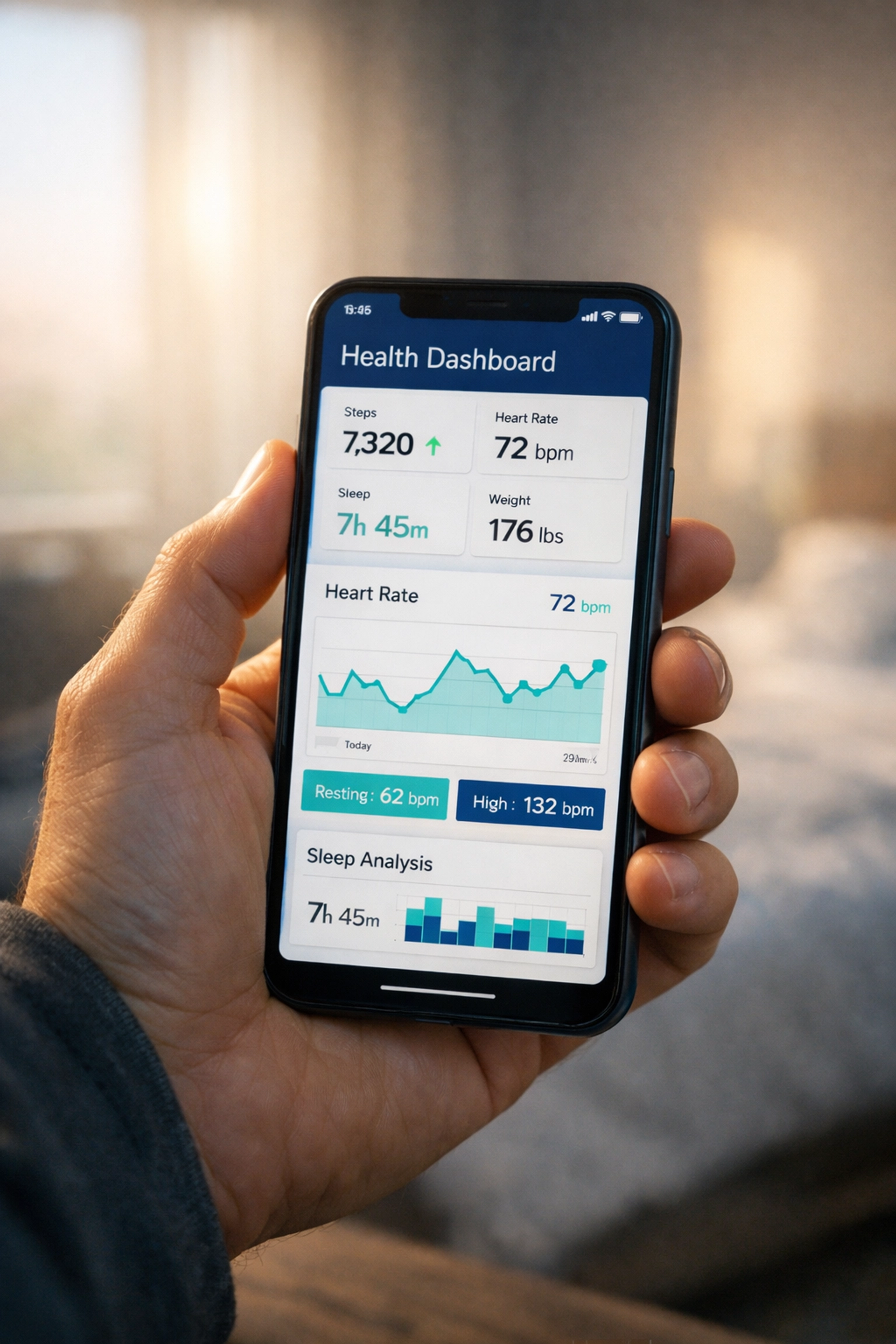
Men over 40 naturally experience a gradual decline in testosterone, typically around 1-2% per year after age 30. But "natural" doesn't mean you should ignore significant symptoms. If you're noticing multiple signs from the list above, a testosterone home test offers a straightforward starting point for understanding what's happening hormonally.
Total Testosterone vs. Free Testosterone: Understanding What You're Measuring
When you order a testosterone testing kit UK, you'll encounter two key measurements: total testosterone and free testosterone. Understanding the difference is crucial for interpreting your results accurately.
Total testosterone represents all the testosterone circulating in your bloodstream, both bound and unbound. The majority of your testosterone (around 98%) is bound to proteins, primarily sex hormone-binding globulin (SHBG) and albumin. While bound testosterone travels through your body, it's not immediately available for your cells to use.
Free testosterone is the unbound portion, roughly 2-3% of your total testosterone, that's biologically active and available to bind with receptors in your tissues. This is the testosterone that directly influences your energy, mood, libido, and muscle synthesis.
According to the British Society for Sexual Medicine, free testosterone often provides a more accurate picture of hormonal function, particularly if you have conditions that affect SHBG levels. Obesity, insulin resistance, and thyroid disorders can all alter SHBG, meaning your total testosterone might appear normal while your free testosterone is actually low.
Most basic testosterone home tests measure total testosterone only, which is sufficient for initial screening. However, if your total testosterone comes back borderline or if symptoms persist despite "normal" results, a more comprehensive panel that includes free testosterone and SHBG becomes valuable.
It's worth noting that testosterone levels naturally fluctuate throughout the day, peaking in the morning (typically between 8am-10am) and declining as the day progresses. That's why timing matters when you collect your sample, most providers recommend early morning collection for the most accurate baseline reading.
Why Choose Home Testing Over Traditional Routes?
The traditional route to testosterone testing in the UK involves booking a GP appointment, explaining your symptoms (which many men find uncomfortable), waiting for a blood draw appointment at a phlebotomy clinic, and then waiting again for results. The entire process can take weeks, and that's assuming your GP agrees testing is necessary in the first place.
A testosterone home test bypasses these barriers entirely.
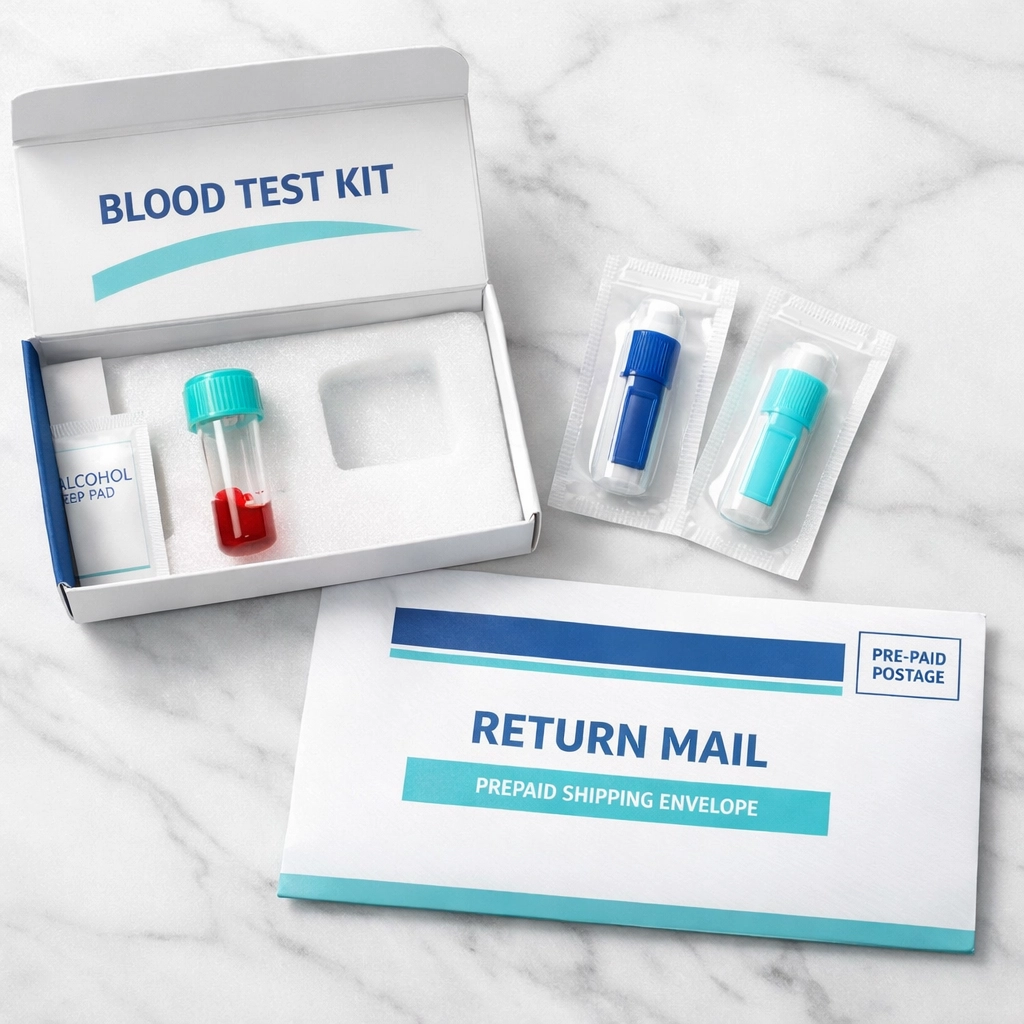
Convenience is the most obvious benefit. You collect your sample when it suits you, ideally first thing in the morning before breakfast, and drop it in any UK postbox using the prepaid envelope. No time off work. No waiting rooms. Your kit typically arrives within 1-2 working days of ordering, and results are available online within 2-5 days after the laboratory receives your sample.
Privacy matters, particularly around sensitive health concerns. Many men delay testing because they're uncomfortable discussing sexual health or hormonal symptoms face-to-face. Home testing removes that psychological barrier, allowing you to take action without the awkwardness of explaining symptoms to someone you may not feel entirely comfortable with.
Speed is another significant advantage. Where NHS testing can involve multiple appointments and long waits, home testing provides results within days. If you're experiencing symptoms that are affecting your quality of life, faster answers mean faster decisions about next steps.
The testing process itself is straightforward. Your kit includes everything you need: lancets for the finger-prick sample, collection tubes, clear instructions, and a prepaid return envelope. Samples are analysed in NHS-accredited or ISO-certified laboratories, the same standard as hospital pathology services. You can learn more about the collection process in our how to do a home blood test guide.
Home testing doesn't replace medical advice, if your results indicate low testosterone, you should discuss next steps with a healthcare professional. But it provides the data you need to have that conversation confidently, armed with specific numbers rather than vague symptoms.
Explore our full range of hormone and thyroid blood tests to find the right testing panel for your needs.
Frequently Asked Questions
How accurate are testosterone home test kits?
Home test kits use the same laboratory analysis methods as NHS blood tests. As long as your sample is collected correctly (following the kit instructions) and analysed by an accredited laboratory, accuracy is equivalent to traditional testing methods.
What time of day should I collect my testosterone sample?
Collect your sample first thing in the morning between 8am-10am, before eating or drinking anything other than water. Testosterone levels are naturally highest in the morning and decline throughout the day.
Can I use a testosterone home test if I'm already on TRT (testosterone replacement therapy)?
Yes. Home testing is useful for monitoring testosterone levels while on TRT to ensure dosing is appropriate. However, discuss your testing schedule with your prescribing clinician, as they may have specific timing recommendations.
What should I do if my testosterone test shows low levels?
If your results indicate low testosterone, book an appointment with your GP or a private endocrinologist. They may recommend a confirmatory test after at least 4 weeks before discussing treatment options, as testosterone levels can fluctuate.
Do I need to fast before taking a testosterone home test?
While fasting isn't strictly required for testosterone testing, collecting your sample before breakfast (in the early morning window) provides the most consistent results. Avoid alcohol for 24 hours before testing.
Are testosterone home tests available on the NHS?
Home testing kits are not typically provided by the NHS. However, if you present with symptoms of low testosterone, your GP may order blood tests through standard NHS pathology services.
Taking Control of Your Hormonal Health
Monitoring testosterone levels is no longer restricted to lengthy GP appointments and hospital blood draws. A testosterone home test UK provides fast, private, and clinically accurate data that helps you understand what's happening beneath the surface of vague symptoms like fatigue, low motivation, or reduced libido.
Whether you're tracking hormonal changes as you age, optimising performance and recovery, or investigating unexplained symptoms, home testing removes the barriers that often delay action. Your results provide a clear starting point for conversations with healthcare professionals and evidence-based decisions about your next steps.
Testosterone is just one piece of your overall health picture, but it's a significant one. Understanding your levels empowers you to make informed choices about your wellbeing rather than guessing or waiting for symptoms to worsen.
About the Author
This article was written by the Vitall Check Editorial Team. The Vitall Check Editorial Team is dedicated to empowering individuals with evidence-based health information and clear, actionable insights. Every article is researched using peer-reviewed journals and official health resources, reflecting our commitment to the same high standards of accuracy as our laboratory testing services. Our goal is to make proactive wellness accessible, data-driven, and transparent.