

Liver Function Test Near Me: Why At-Home Kits Are the Modern Alternative to Clinic Queues
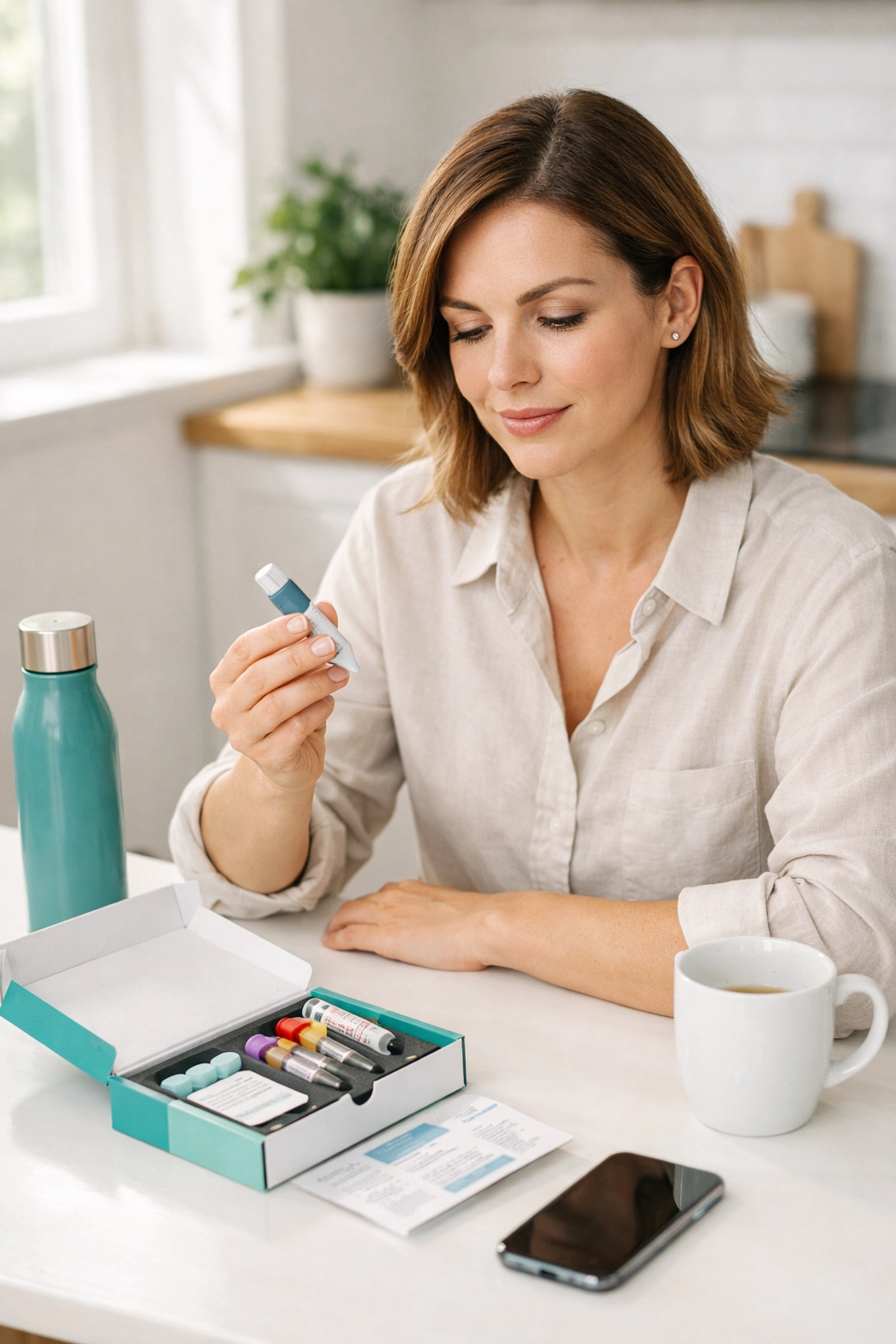
A liver function test (LFT) measures specific enzymes, proteins, and substances in your blood to assess how well your liver is working. Traditionally performed at GP surgeries or hospital pathology labs, these tests are now available as at-home kits: allowing you to collect a blood sample via finger-prick, post it to a certified laboratory, and receive results within days, all without leaving your home or waiting weeks for a clinic appointment.
Why Your Liver Deserves Your Attention
Your liver is one of the hardest-working organs in your body. It processes nutrients from food, filters toxins from your bloodstream, produces bile for digestion, stores energy, and manufactures proteins essential for blood clotting. It performs over 500 vital functions, and it does all this quietly, without sending obvious warning signs until damage becomes significant.
That's the challenge: liver disease is often symptomless in its early stages. By the time you notice yellowing skin, persistent fatigue, or abdominal swelling, liver function may already be compromised. Regular monitoring through blood tests allows you to catch changes early, when lifestyle adjustments or medical intervention can make the most difference.
According to the British Liver Trust, liver disease is now one of the leading causes of premature death in the UK, yet many cases are preventable with early detection and proactive health management.
What Do the Markers Actually Mean?
A standard liver function test measures several key biomarkers. Here's what each one tells you:
ALT (Alanine Aminotransferase)
An enzyme primarily found inside liver cells. When liver cells are damaged: whether from alcohol, medication, viral infection, or fatty liver disease, ALT leaks into your bloodstream. Elevated ALT is one of the earliest indicators of liver stress.
AST (Aspartate Aminotransferase)
Another enzyme is released when liver cells are injured. AST is also found in heart and muscle tissue, so it's typically interpreted alongside ALT. A high AST-to-ALT ratio can suggest different types of liver damage, including alcohol-related liver disease.
ALP (Alkaline Phosphatase)
An enzyme linked to the bile ducts. Elevated ALP can indicate bile duct obstruction, bone disorders, or certain liver conditions. It's particularly useful for detecting cholestatic (bile flow) issues.
Bilirubin
A yellow pigment is produced when red blood cells break down. Your liver processes bilirubin and excretes it in bile. High bilirubin levels can signal liver dysfunction, bile duct blockage, or haemolysis (excessive red blood cell breakdown), and may cause jaundice: yellowing of the skin and eyes.
Albumin
A protein made by the liver that helps maintain fluid balance and transports hormones, vitamins, and medications through your blood. Low albumin levels may indicate chronic liver disease, malnutrition, or kidney problems.
The NHS provides detailed guidance on liver function tests and what abnormal results might indicate, though any concerning findings should always be reviewed with a healthcare professional.
At-Home Kits vs. Traditional Clinic Testing
When you search "liver function test near me," you're likely weighing two options: booking an appointment at a GP surgery or clinic, or ordering an at-home test kit. Here's how they compare:
The Traditional Route: GP or Clinic
- Requires an appointment: Depending on NHS availability, you might wait weeks.
- Travel and time commitment: You'll need to travel to the surgery, wait in a queue, and arrange time off work.
- Professional blood draw: A phlebotomist collects your sample via venous blood draw.
- Results timeline: Typically 1–2 weeks, sometimes longer.
- Cost: Free on the NHS if your GP deems it clinically necessary; private clinics charge £50–£150+.
The At-Home Alternative
- No appointment needed: Order a kit online, complete the test when it suits you.
- Finger-prick collection: A simple, quick blood sample collected at home. Learn how to do a home blood test here.
- Fast turnaround: Results delivered digitally within 48–72 hours of the lab receiving your sample.
- UKAS-accredited labs: Reputable providers like Vitall Check use the same certified laboratories trusted by the NHS.
- Cost: Transparent pricing, typically £30–£80 depending on the panel.
At-home kits don't replace comprehensive medical assessment, especially if you have symptoms or diagnosed liver conditions, but they're excellent for proactive monitoring, convenience, and faster access to your health data.

Who Should Consider a Liver Function Test?
Liver testing isn't just for people with diagnosed conditions. You might benefit from regular monitoring if you:
- Drink alcohol regularly: Even moderate drinking over time can cause fatty liver disease or inflammation. The liver metabolises alcohol, and consistent intake increases your risk of damage.
- Take long-term medications: Certain medications, including statins, painkillers, and antibiotics, can stress the liver. Monitoring helps ensure they're not causing harm.
- Have a high BMI or metabolic concerns: Non-alcoholic fatty liver disease (NAFLD) is closely linked to obesity, type 2 diabetes, and metabolic syndrome.
- Experience unexplained fatigue or digestive issues: While not specific to liver disease, persistent tiredness, nausea, or abdominal discomfort warrant investigation.
- Have a family history of liver disease: Genetic conditions like haemochromatosis or Wilson's disease can run in families.
- Are focused on fitness or body composition: Athletes and fitness enthusiasts often use liver panels to ensure their training, supplementation, and nutrition aren't creating metabolic stress.
The British Liver Trust emphasises that early detection is critical, and regular testing empowers you to take action before symptoms develop.
The Bottom Line: Convenience Meets Clinical Standards
Searching "liver function test near me" no longer means your only option is a clinic visit. At-home kits offer a modern alternative: faster results, no travel, and the same laboratory standards you'd expect from traditional testing, all delivered to your door.
These tests aren't a substitute for medical diagnosis or treatment, but they provide valuable data to guide conversations with your GP, track changes over time, and catch potential issues early. Whether you're monitoring alcohol intake, managing weight, or simply taking a proactive approach to your health, a liver function test is one of the most informative snapshots you can take.
If you're ready to take control of your liver health, explore our range of UKAS-accredited home blood test kits designed for clarity, speed, and accuracy.
Frequently Asked Questions
How accurate are at-home liver function tests?
When performed using UKAS-accredited laboratories and following collection instructions carefully, at-home liver function tests measure the same biomarkers (ALT, AST, ALP, bilirubin, albumin) as traditional clinic tests. Accuracy depends on correct sample collection and using a reputable provider.
Can I use an at-home test if I have symptoms?
If you're experiencing symptoms like jaundice, severe fatigue, abdominal pain, or unexplained weight loss, contact your GP rather than relying solely on an at-home test. These tests are best for proactive monitoring, not emergency diagnosis.
How often should I test my liver function?
This depends on your risk factors. For general wellness monitoring, once or twice a year is sufficient. If you have risk factors like regular alcohol consumption, obesity, or take long-term medications, more frequent testing (every 3–6 months) may be beneficial. Discuss frequency with your healthcare provider.
What should I do if my results are abnormal?
Abnormal results don't automatically mean liver disease: many factors can temporarily elevate markers. Contact your GP to review your results in the context of your full medical history, symptoms, and lifestyle. They may recommend repeat testing or further investigation.
Do I need to fast before a liver function test?
Most liver function tests don't require fasting, though some providers recommend avoiding food for 8–12 hours before testing for the most accurate results. Check the specific instructions provided with your kit.
About the Author
Vitall Check Editorial Team
The Vitall Check Editorial Team is dedicated to empowering individuals with evidence-based health information and clear, actionable insights. Every article is researched using peer-reviewed journals and official health resources, reflecting our commitment to the same high standards of accuracy as our laboratory testing services. Our goal is to make proactive wellness accessible, data-driven, and transparent.