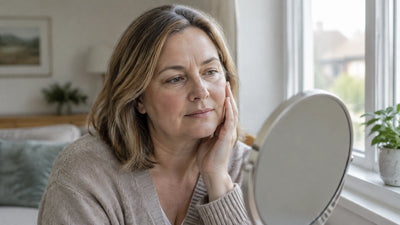
If you’ve ever wondered why some people seem to age with more energy than others, you’re looking at the difference between healthspan and lifespan. It isn’t just about the number of candles on your birthday cake; it’s about how much "life" is actually in those years. For women, the journey to a long, healthy life involves navigating a unique biological landscape: from hormonal shifts to specific cardiovascular risks. You don’t need a crystal ball to see your future health, but you do need a map.
TL;DR:
- Longevity is about extending "healthspan": the years spent in good health: not just living longer.
- Hormonal transitions like perimenopause and menopause are critical windows for future health.
- Tracking metabolic markers such as HbA1c and lipids can help identify risks early.
- Strength training and bone density are non-negotiable for maintaining independence.
- Data-driven monitoring through regular blood testing helps you arrive informed for GP consultations.
What is women’s longevity? Women’s longevity refers to the combination of biological lifespan and healthspan, specifically focusing on the physiological factors that affect female ageing, such as hormonal health, bone density, and cardiovascular risk. It involves using data-driven insights and lifestyle interventions to maintain functional health and prevent chronic disease as you age.
Understanding the Longevity Landscape
When we talk about longevity, it’s easy to get lost in the noise of "biohacking" and complex science. But at its heart, longevity is simple: it’s the art of keeping your body’s machinery running smoothly for as long as possible. Think of your body like a high-performance vehicle. If you only ever top up the petrol but never change the oil or check the brake pads, eventually, things will start to creak. For women, this maintenance schedule changes significantly across different life stages.
Biological age and chronological age are two different things. While your birth certificate tells you how many years have passed, your biological age reflects how well your cells and organs are actually functioning. In the UK, while women generally live longer than men, they often spend a greater portion of those later years in poor health. Closing this gap is the primary goal of any longevity strategy. It’s about ensuring that your internal "foundation" remains solid so the rest of the house doesn't start to sag.

The Hormonal Horizon: Navigating Change
For many women, the most significant shift in their longevity journey happens during the transition to menopause. This isn't just a change in your period; it's a fundamental shift in how your body manages everything from bone density to heart health. Oestrogen is like the "master regulator" of the female body. When levels begin to fluctuate and eventually decline, it impacts almost every system.
According to the NHS guidance on menopause, this transition usually happens between the ages of 45 and 55, but perimenopause can start much earlier. During this time, you might notice changes in your mood, sleep, or energy levels. These aren't just "symptoms" to be ignored; they are signals from your body. Understanding where you sit in this transition can be incredibly empowering. Monitoring markers like FSH and Oestradiol through a Hormone & Thyroid Test can provide a clearer picture of your hormonal status, helping you prepare for more productive conversations with your GP.
The NICE menopause guidelines emphasise that every woman's experience is different. Some may find Hormone Replacement Therapy (HRT) beneficial for symptom relief and long-term health protection, while others may prefer alternative approaches. The key is having the data to understand your own body’s unique timeline.
The Metabolic Engine: HbA1c and Cholesterol
Your metabolic health is the engine that drives your energy and determines your risk for long-term conditions like Type 2 diabetes and heart disease. Two of the most critical markers to keep an eye on are HbA1c and your lipid profile.
HbA1c measures your average blood sugar levels over the past two to three months. It’s a bit like looking at the average temperature of a room rather than a single snapshot. If your blood sugar is consistently high, it’s like leaving the heating on full blast all summer: eventually, it causes wear and tear on your internal pipes. Keeping your HbA1c within a healthy clinical range is vital for long-term health. The NHS information on HbA1c explains how these levels are used to monitor and manage diabetes risk.
Similarly, your lipid profile (cholesterol) is a major indicator of heart health. For women, cardiovascular risk can increase after menopause as the protective effects of oestrogen diminish. Markers like LDL (the "bad" cholesterol) and ApoB (a protein found on particles that cause plaque in the arteries) are essential to track. Think of cholesterol like the traffic in your arteries; if there’s too much "bad" traffic and not enough "clearing" crews, you end up with a jam. The British Heart Foundation highlights that heart disease is a significant concern for women that is often overlooked.
Regularly checking these markers using a Female Metabolic & Hormonal Health Panel allows you to see how your lifestyle choices: like diet and exercise: are impacting your internal environment.
Architecture of Longevity: Bone and Muscle Health
If your metabolic health is the engine, your bones and muscles are the architectural frame of your body. Without a strong frame, everything else struggles to stay upright. As women age, the risk of osteoporosis and sarcopenia (muscle loss) increases significantly.
The Royal Osteoporosis Society notes that one in two women over the age of 50 will break a bone due to osteoporosis. This isn't an inevitable part of ageing, but rather a result of declining bone density that often accelerates after menopause. Oestrogen helps keep bones strong, so when it drops, the "scaffolding" of your bones can become brittle.
Maintaining muscle mass is just as important. Muscle isn't just for looking toned at the gym; it's a metabolic organ that helps manage blood sugar and protects your joints. It’s the "armour" that keeps your skeleton safe. Incorporating resistance training and ensuring adequate protein intake are essential strategies. You don't need to be a bodybuilder, but you do need to challenge your muscles regularly. A Complete Health & Performance Blood Test can also help you track markers like Vitamin D and Calcium, which are the raw materials your body needs to maintain this architecture.

Data-Driven Wellness: Moving Beyond Guesswork
In the past, many of us only went to the doctor when something felt "off." But longevity is about being proactive rather than reactive. It’s the difference between fixing a leak in the roof and waiting for the ceiling to collapse. By tracking your biomarkers regularly, you gain a baseline of what is "normal" for you.
When you receive a Vitall Check Insight Report, you aren't just getting a list of raw numbers. You’re getting a translation. For example, knowing your ALT (a liver enzyme) is 35 IU/L might not mean much on its own, but understanding that it sits within a healthy clinical range and how it relates to your metabolic health provides real context. This information allows you to arrive at your next GP appointment informed and ready to discuss your health with confidence.
Monitoring biomarkers like hs-CRP (a marker of inflammation) can also give you a "weather report" for your body’s internal environment. High levels of inflammation over time are linked to many age-related conditions. Keeping this "internal fire" under control through sleep, stress management, and nutrition is a core pillar of longevity.
Building Your Personal Longevity Plan
Success in longevity doesn't come from a single "superfood" or a magic pill. It comes from the consistent application of basic principles, refined by your own data.
1. Nutrition as Fuel
The Gov.uk Eatwell Guide provides a solid foundation for healthy eating in the UK. Aim for a variety of colourful vegetables, high-fibre wholegrains, and lean proteins. For women focusing on longevity, prioritising calcium-rich foods and ensuring you get enough Vitamin D (especially in the UK winter) is crucial for bone health. Think of your diet as the soil in a garden; if the soil is rich in nutrients, the plants will thrive.
2. Strategic Movement
A mix of cardiovascular exercise for heart health and resistance training for bone and muscle health is the gold standard. Aim for at least 150 minutes of moderate-intensity activity a week, as recommended by the NHS exercise guidelines. Whether it’s brisk walking, swimming, or lifting weights, the best exercise is the one you actually do.
3. Rest and Recovery
Never underestimate the power of sleep. It’s when your body performs its most important "maintenance" work: repairing tissues and clearing out metabolic waste. Chronic stress can also play havoc with your hormones, particularly cortisol. Monitoring your response to stress with a Cortisol Stress & Recovery Test can help you identify if your lifestyle is pushing your body too hard.

Summary: Taking the First Step
Women’s longevity is a marathon, not a sprint. It requires a deep understanding of your own biology and a commitment to small, sustainable changes. By focusing on the pillars of hormonal health, metabolic stability, and skeletal strength: all backed by regular, accurate data: you can take control of your health journey.
Don't wait for symptoms to appear before you start paying attention. By monitoring your internal biomarkers today, you’re not just looking at numbers; you’re looking at the roadmap for your future self.
Frequently Asked Questions
How often should I test my blood markers for longevity? For most proactive individuals, an annual or bi-annual check is a good rhythm to track trends and see how lifestyle changes are impacting your results. However, if you are going through a major transition like perimenopause, more frequent testing may be helpful to monitor changes.
Can blood tests tell me when I will reach menopause? Blood tests for FSH (Follicle Stimulating Hormone) and Oestradiol can provide clues about your menopausal status, but they are just one piece of the puzzle. Your symptoms and menstrual history are equally important. These results can help you have a more informed discussion with your GP.
What is the most important marker for heart health in women? While a full lipid profile is essential, many longevity experts also look at ApoB as a more precise indicator of cardiovascular risk. Understanding how your cholesterol levels sit within clinical reference ranges is the first step in managing your heart health.
Do I need to see a doctor before taking an at-home blood test? You don't need a referral to use a Vitall Check kit. Our service is designed to provide you with rapid, lab-verified data and an easy-to-understand Insight Report that you can then take to your GP for a more informed clinical consultation.
How can I improve my bone density naturally? A combination of weight-bearing exercise (like walking or running), resistance training, and a diet rich in calcium and Vitamin D is the best way to support your bone health. It’s like "charging" your bone bank while you’re younger so you have more to draw on as you age.
Vitall Check Editorial Team The Vitall Check Editorial Team is dedicated to empowering individuals with evidence-based health information and clear, actionable insights. Every article is researched using peer-reviewed journals and official health resources, reflecting our commitment to the same high standards of accuracy as our laboratory testing services. Our goal is to make proactive wellness accessible, data-driven, and transparent.
Disclaimer: Vitall Check is not CQC registered. The content provided is for general information only, does not provide a diagnosis, and does not replace advice from a qualified healthcare professional. Our services do not include treatment, prescription, or medical advice that falls under CQC-regulated activities. Always consult with your GP or a qualified clinician before making significant changes to your healthcare regimen.