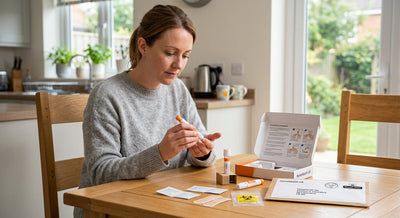
Fibre has officially entered its main-character era.
After years of protein shakes, “boy kibble” meals and high-protein everything, TikTok has found a new food hero: fibre. The trend is called fibremaxxing, and it means deliberately increasing your fibre intake, often with a target of 30g a day.
The idea is not as wild as some social media trends. In fact, it is built around a real gap in the UK diet. But more fibre is not automatically better if you push too hard, too quickly.
TL;DR:
- Fibremaxxing means deliberately increasing your daily fibre intake.
- UK adults are advised to eat around 30g of fibre per day.
- Many people eat much less. The BBC reports an average of about 16.4g, with around 96% of UK adults missing the 30g benchmark.
- Increase fibre slowly to reduce bloating, gas and stomach discomfort.
- Focus on beans, lentils, wholegrains, fruit, vegetables, nuts and seeds before reaching for powders.
- If new digestive symptoms continue, speak to your GP. Blood markers such as iron, B12, folate or CRP may provide useful context, depending on your symptoms.
What’s fibremaxxing? Fibremaxxing is the social media trend of actively increasing your fibre intake, usually towards the UK recommendation of 30g a day, by eating more wholegrains, pulses, fruit, vegetables, nuts and seeds.
What is fibremaxxing?
Fibremaxxing is a TikTok wellness trend focused on eating more fibre at every meal.
That might mean adding chia seeds to porridge, choosing beans instead of extra meat, switching white bread for wholegrain, or throwing lentils into a curry. Some people also use fibre powders or supplements to reach their daily target.
The trend grew partly as a reaction to the internet’s fixation on protein. Protein still matters, but a diet built around chicken, protein bars and shakes can accidentally leave less room for plant foods.
Think of your diet like a football team. Protein may be one strong striker, but fibre brings the midfield, defence and goalkeeper. You need more than one player to make the whole thing work.
TikTok hashtags such as #fibremaxxing and #fibermaxxing have attracted millions of views. The BBC has reported that the hashtags have been viewed more than 150 million times, while also highlighting the gap between the recommended intake and what most people actually eat. Read the full BBC report on the fibre trend.

Why does fibre matter?
Fibre is found in plant foods. Your body does not fully digest it, so it travels through your digestive system and helps support normal bowel movements.
Some types of fibre also feed bacteria in your gut. These bacteria break down certain fibres and produce substances that may support gut health.
Fibre is not one single ingredient. Different foods provide different types, which is why variety matters. Oats, beans, fruit, vegetables, nuts and wholegrains do not all behave in the same way.
The British Nutrition Foundation’s fibre guide explains that a high-fibre diet is linked with better digestive health and a lower risk of several long-term health conditions. It also confirms that UK adults are advised to aim for 30g per day, while most people consume around 20g or less.
Your gut is a little like a garden. It does not need one giant bag of the same seed. It benefits from a mix of plants, added steadily over time.
Fibre can also help food move through your digestive system, support feelings of fullness and slow the release of sugar from some meals. These effects depend on the food, the type of fibre and your wider diet.
How much fibre should you eat?
For most adults, the UK recommendation is around 30g of fibre a day.
That does not mean you need to hit 30g tomorrow morning. If you currently eat around 16–20g, doubling your intake overnight may leave your stomach feeling like it has filed a formal complaint.
Government survey data reported by the BBC puts average UK adult intake at about 16.4g a day, with around 96% of people not reaching the 30g recommendation. The exact figures can vary between survey years and age groups, but the message is consistent: most adults are falling short.
A simple day might include:
- Porridge with berries and seeds
- Wholemeal toast or a baked potato
- Beans, chickpeas or lentils with lunch or dinner
- Fruit as a snack
- Brown rice or wholewheat pasta
- Vegetables added to soups, curries or sauces
You do not need a complicated “gut bowl” assembled with seventeen toppings. Small swaps count.
How to increase fibre without the bloating
The biggest mistake with fibremaxxing is treating 30g as a cliff edge.
Instead, treat it like turning up the volume on headphones. A small increase may feel fine. A sudden jump to maximum volume can be uncomfortable.
STEP 1: Add one fibre-rich food
Start with one change a day. Add berries to breakfast, choose wholemeal bread, or add a few spoonfuls of beans to a meal.
STEP 2: Increase gradually
Give your digestion time to adjust. After a few days, add another fibre-rich food if you are comfortable.
STEP 3: Drink enough fluid
Fibre works alongside fluid. If you increase fibre but barely drink, you may experience constipation or discomfort. The British Nutrition Foundation recommends increasing fibre gradually and drinking plenty of fluids.
STEP 4: Choose variety
Do not rely on one food or one powder. Rotate between oats, pulses, vegetables, fruit, nuts, seeds and wholegrains.
STEP 5: Notice your symptoms
Bloating and gas can happen when you increase fibre quickly. They may settle as your body adjusts. If symptoms are severe, persistent or worrying, speak to your GP.

Should you use fibre powders and supplements?
Fibre supplements can be useful in some situations, but they should not become the entire strategy.
Whole foods bring more than fibre. Beans, lentils, fruit, vegetables, nuts and wholegrains also provide vitamins, minerals, protein, healthy fats or slow-release carbohydrates.
A powder is a bit like using a satnav without looking out of the windscreen. It may help you reach a destination, but it does not show you the wider route.
If you do use a fibre supplement, follow the label instructions and increase slowly. Some products can cause gas, bloating or changes in bowel movements. Ask a pharmacist or GP for advice if you take medicines or have an existing digestive condition.
The goal is not to win a fibre-eating competition. The goal is to build a varied diet that works for your body.
What if fibre changes bring digestive symptoms?
Fibre can change how your digestion feels. That does not automatically mean something is wrong, but new or ongoing symptoms deserve attention.
Speak to your GP if you have persistent bloating, ongoing diarrhoea or constipation, unexplained weight loss, blood in your stool, severe abdominal pain or symptoms that are getting worse.
Depending on your symptoms and history, your GP may consider tests that provide wider context. These could include:
- Iron markers, if tiredness or possible iron deficiency is a concern
- Vitamin B12 or folate, depending on diet, symptoms and medical history
- CRP, a blood marker that can rise with inflammation
- Coeliac screening, if symptoms suggest gluten-related disease
These tests cannot explain every gut problem, and they do not directly measure your gut bacteria. They are pieces of a larger picture.
This is where the Data-Driven Patient approach helps. Instead of chasing a single number from TikTok, you collect useful information and take it into a proper healthcare conversation.
Vitall Check’s Essential Vitamins & Nutritional Health Test includes markers such as iron and B12. Results are processed by UKAS-accredited laboratories using NHS-grade standards, with an Insight Report that translates raw data into plain English.
At-home testing can support an informed arrival at your GP appointment. It does not diagnose digestive disease or replace clinical assessment.
For a wider look at how health markers need context, read the Health Hub pillar post: Biohacking Blood Test Results: Why Context Matters More Than the Number.

Is fibremaxxing worth trying?
For most people, increasing fibre towards the UK recommendation is a sensible idea.
The important word is towards. You do not need to force down huge amounts of fibre just because a creator online claims to eat 50g a day.
Start with food. Go slowly. Drink enough. Pay attention to how you feel. Keep your diet varied.
If you want a broader health baseline alongside your nutrition changes, you can explore Vitall Check’s at-home blood test range. The reports are designed to make lab results easier to understand, not to provide a diagnosis or tell you what your body “should” be.
Summary
Fibremaxxing is one of the more evidence-based wellness trends to come from TikTok. The UK recommendation is around 30g of fibre a day, yet most adults eat much less.
That does not mean you should suddenly cover every meal in seeds and psyllium. Increase fibre gradually. Choose a mix of whole foods. Drink enough fluid. Give your digestion time to adjust.
If symptoms continue after changing your diet, speak to your GP. Blood tests may provide useful context, but they are only one part of the picture.
FAQ
Q: Is fibremaxxing good for you? A: It can be helpful if it means gradually increasing fibre from a varied diet towards the UK recommendation of 30g a day. Sudden large increases may cause bloating, gas or stomach discomfort.
Q: How can I reach 30g of fibre a day without supplements? A: Add fibre-rich foods across the day. Try oats and berries at breakfast, wholemeal bread at lunch, fruit or nuts as a snack, and beans, lentils, vegetables or wholegrains with dinner.
Q: Can an at-home blood test explain gut symptoms? A: No. At-home blood testing does not diagnose gut conditions. It may provide useful information about certain nutritional or inflammation markers, which you can discuss with your GP.
Author Bio
Vitall Check Editorial Team
The Vitall Check Editorial Team is dedicated to empowering individuals with evidence-based health information and clear, actionable insights. Every article is researched using peer-reviewed journals and official health resources, reflecting our commitment to the same high standards of accuracy as our laboratory testing services. Our goal is to make proactive wellness accessible, data-driven, and transparent.
Disclaimer: Vitall Check is not CQC registered. The content provided is for general information only, does not provide a diagnosis, and does not replace advice from a qualified healthcare professional. Our services do not include treatment, prescription, or medical advice that falls under CQC-regulated activities. Always consult with your GP or a qualified clinician before making significant changes to your healthcare regimen.