You might feel perfectly fine. Your energy levels are stable, your gym sessions are productive, and your diet is on point. Yet, beneath the surface, a silent process could be unfolding within your arteries. Inflammation is often described as the body’s internal fire; while it is essential for healing a scraped knee or fighting off a seasonal cold, when that fire refuses to go out, it can begin to damage your very foundations. C-reactive protein, or CRP, is one of the most reliable markers we have to measure this internal heat. Understanding your CRP levels through a dedicated blood test is not just about ticking a box in your health MOT; it is about uncovering hidden risks and taking control of your cardiovascular future.
TL;DR:
- CRP is a protein produced by the liver that rises when inflammation is present in the body.
- Standard CRP tests detect acute issues like infections, while high-sensitivity CRP (hs-CRP) identifies low-grade, chronic inflammation linked to heart disease.
- High levels of hs-CRP are associated with a two to three times higher risk of future heart attacks or strokes.
- Factors like stress, poor sleep, and intense exercise can temporarily spike your results, making preparation essential.
- This test provides a "Results in plain English" insight to help you prepare for a more informed conversation with your GP.
What's a C-reactive protein test?
A C-reactive protein (CRP) test is a blood analysis that measures the amount of a specific protein produced by your liver in response to inflammation. While standard CRP tests identify acute infections or injuries, the high-sensitivity CRP (hs-CRP) test is used to detect low-grade, chronic inflammation in the blood vessels, which serves as a significant indicator of cardiovascular risk and heart health.
The Silent Signal of Inflammation
Imagine your body as a high-performance vehicle. Inflammation is much like the engine’s cooling system; when everything is working correctly, it manages heat and ensures you don't overheat during a sprint. However, if the system is constantly under pressure, small leaks begin to form. C-reactive protein is the warning light on your dashboard that flickers when the pressure is too high. It doesn’t tell you exactly where the leak is, but it tells you that the engine is under stress and needs your attention.
Produced by the liver, CRP is released into the bloodstream within hours of an injury or the onset of an infection. In the short term, this is a brilliant survival mechanism. It helps your immune system identify and clear out damaged cells or invading pathogens. However, when inflammation becomes chronic, staying "on" for months or years, it stops being a protector and starts being a predator. This persistent, low-level irritation is a primary driver of atherosclerosis, the thickening or hardening of the arteries caused by a buildup of plaque. By monitoring your levels through a C-reactive protein test, you gain a window into this hidden biological activity.

Understanding the Difference: Standard CRP vs High-Sensitivity CRP
It is easy to get confused when looking at lab results, as there are actually two different ways to measure this protein. Think of the standard CRP test as a smoke detector in your hallway; it’s designed to go off loudly when there is a significant fire, such as a major bacterial infection or a severe flare-up of an autoimmune condition like rheumatoid arthritis. These results are typically measured in high numbers, often exceeding 10 mg/L. While useful for diagnosing illness, this "smoke detector" isn't sensitive enough to catch the small, smouldering embers that lead to heart disease.
This is where the high-sensitivity CRP (hs-CRP) test comes in. If standard CRP is a smoke detector, hs-CRP is more like a highly sensitive thermal imaging camera. It can detect tiny fluctuations in heat that the smoke detector would miss entirely. According to the British Heart Foundation, it is these minute, low-level changes, often between 1 and 3 mg/L, that provide the most value for assessing cardiovascular risk. For most health-conscious individuals and athletes, the hs-CRP version is the gold standard for long-term wellness monitoring.
Chronic Inflammation and Your Heart
For decades, the medical community focused almost entirely on cholesterol as the primary culprit in heart disease. While LDL cholesterol is undoubtedly important, we now know that inflammation is the spark that often sets the cholesterol "fuel" alight. Research published in the New England Journal of Medicine has demonstrated that people with high levels of inflammation are at a significantly higher risk of cardiovascular events, even if their cholesterol levels are within a normal range.
When your arteries are chronically inflamed, the lining becomes "sticky," making it easier for fats and white blood cells to clump together. Over time, this forms a plaque that can narrow the artery or, more dangerously, rupture and cause a sudden blockage. By using an Advanced Organ & Immune Function Test, you can see if your body is currently dealing with this invisible burden. This information is vital because it changes the context of your other health markers; a "good" cholesterol score means much less if your CRP levels suggest your arteries are currently a hostile environment.
Interpreting the Numbers: What the Results Reveal
When you receive your Insight Report from Vitall Check, your raw data is translated into clear, easy-to-understand insights. The NHS and various international heart associations generally categorise hs-CRP results into specific risk bands to help people understand their cardiovascular outlook.
A result of less than 1 mg/L is generally considered a sign of low systemic inflammation. This is a positive indicator for heart health and suggests that your current lifestyle, diet, exercise, and stress management, is keeping the "internal fire" well under control. If your result falls between 1 and 3 mg/L, you are considered to be in an intermediate or average risk category. While this isn't an immediate cause for alarm, it is a signal to look closely at your lifestyle habits.
Results consistently above 3 mg/L, but below 10 mg/L, suggest a higher level of chronic inflammation. At this level, the World Health Organisation notes that the risk of future cardiovascular events is notably increased. If your levels are above 10 mg/L, it often points to an acute event, perhaps you’re fighting a silent virus or recovering from a significant injury, and the test should usually be repeated once you feel back to your best to get a true reading of your baseline.

Factors That Influence Your Results
Your CRP levels are dynamic, not static. Think of inflammation like an uninvited houseguest; a short visit is fine and sometimes even helpful (like the inflammation that repairs muscle after a heavy lifting session), but you don’t want them moving in permanently and trashing the place. Because CRP is so reactive, several factors can cause a temporary spike that might not reflect your long-term heart risk.
Acute illness is the most common disruptor. If you have a sniffle or a sore throat, your liver will pump out CRP to help you heal. This is why we recommend waiting at least two weeks after any symptoms have cleared before taking your sample. Physical trauma or intense exercise also plays a role. If you’ve just run a marathon or hit a heavy personal best in the gym, your muscles are effectively "injured" and undergoing repair. For athletes using the Performance Monitor Blood Test, it is crucial to time your test during a rest phase to ensure the results reflect your systemic health rather than just your last training session.
Stress and sleep deprivation are also major contributors. High levels of cortisol, the body's primary stress hormone, can eventually lead to a breakdown in the inflammatory response, causing CRP to climb. If you have been burning the candle at both ends, your results might reflect that exhaustion. Monitoring your cortisol levels alongside CRP can provide a more holistic view of how your body is coping with its current load.
Taking Action with Your Insights
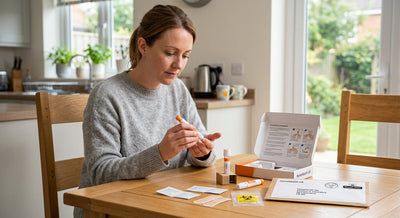
The true power of an at-home CRP test lies in what you do with the data. We provide a "translation of raw data into insights" so you aren't left staring at numbers like "2.4 mg/L" wondering what they mean. Instead, you receive an Insight Report that explains where you sit within clinical ranges and provides actionable advice on how to support your body.
If your levels are higher than you’d like, simple lifestyle adjustments often yield significant results. Increasing your intake of Omega-3 fatty acids, prioritising seven to nine hours of quality sleep, and incorporating low-intensity movement like walking can all help dampen the inflammatory response. These insights don't replace a doctor's diagnosis, but they act as a vital "pressure valve" for the healthcare system. By arriving at your next GP appointment with a clear understanding of your inflammatory markers, you can have a much more productive, data-driven conversation about your long-term heart health.

Summary: Your Heart's Early Warning System
Monitoring your CRP levels is one of the most proactive steps you can take for your cardiovascular health. It moves you from a state of reactive medicine, waiting for a problem to occur, to a state of data-driven wellness. By distinguishing between acute spikes and chronic, low-grade inflammation, you can better understand your body’s unique "engine" and ensure it stays running smoothly for years to come. Whether you are an athlete monitoring recovery or a busy professional looking to stay ahead of your health, the CRP test offers the clarity needed to make informed decisions.
FAQ
Can I take a CRP test if I have a cold?
It is best to wait. Because CRP is a highly sensitive marker for acute inflammation, even a minor cold or viral infection can cause your levels to spike significantly. This could mask your true baseline inflammatory risk. We recommend waiting at least fourteen days after all symptoms have completely resolved before collecting your sample.
Is high CRP always a sign of heart disease?
Not necessarily. High CRP simply means there is inflammation somewhere in your body. It could be due to a chronic condition like arthritis, a recent injury, or even high levels of stress. The test is a marker of risk, not a direct diagnosis of heart disease. If your levels remain high over multiple tests, it is a sign to investigate further with your GP.
How often should I check my CRP levels?
For most healthy individuals, checking your inflammatory markers once or twice a year as part of a broader health MOT is sufficient. However, if you are making significant lifestyle changes, such as starting a new anti-inflammatory diet or an intensive training block, you may wish to test every three to four months to track your progress.
Does exercise affect my CRP results?
Yes, intense physical activity causes temporary muscle damage, which triggers an inflammatory response. This can lead to a short-term rise in CRP levels. To get the most accurate reflection of your systemic inflammation, we advise avoiding heavy exercise for forty-eight hours before taking your blood sample.
What is the difference between CRP and hs-CRP?
They measure the same protein, but the high-sensitivity (hs-CRP) test is much more precise. Standard CRP is used to find "loud" inflammation like major infections (often over 10 mg/L), while hs-CRP can detect the "quiet" inflammation (between 0.5 and 10 mg/L) that is specifically linked to cardiovascular risk.
Author: Vitall Check Editorial Team
The Vitall Check Editorial Team is dedicated to empowering individuals with evidence-based health information and clear, actionable insights. Every article is researched using peer-reviewed journals and official health resources, reflecting our commitment to the same high standards of accuracy as our laboratory testing services. Our goal is to make proactive wellness accessible, data-driven, and transparent.
Disclaimer: Vitall Check is not CQC registered. The content provided is for general information only, does not provide a diagnosis, and does not replace advice from a qualified healthcare professional. Our services do not include treatment, prescription, or medical advice that falls under CQC-regulated activities. Always consult with your GP or a qualified clinician before making significant changes to your healthcare regimen.